Signs Your Basement Needs Waterproofing: Before It's Too Late
Discover the top signs your basement needs waterproofing—from damp odors and wall cracks to mold. Learn how early detection can save your home from costly structural damage.
Wednesday, December 3rd 2025, 11:10 AM EST
How to Spot Basement Water Damage Early and Prevent Expensive Repairs
Troutville, United States - December 2, 2025 /Seal-tite Basement Waterproofing/
If you’ve noticed discolored spots on your basement walls, peeling paint, or cracks in the walls or floor, it’s time to pay attention. These are clear signs your basement might need waterproofing. And what about that musty smell that lingers no matter how much you clean? That could be a sign of hidden moisture issues, or worse, mold and mildew. Ignoring these signs could lead to costly repairs and structural damage. So, why not take a moment to learn more about the telltale signs yourbasement needs waterproofingbefore it’s too late?
Key Takeaways
Look for visible water damage such as discolored spots, peeling paint, or cracks in walls and floors.
The presence of mold or mildew, thriving in damp conditions, suggests a need for waterproofing.
Sticking doors and windows, or water marks near them, are signs of water intrusion.
Cracks in walls or floors can indicate serious water seepage and potential structural issues.
Understanding Basement Waterproofing
Eight out of ten homeowners struggle withbasement waterproofingissues, but understanding the process can make all the difference.
First off, you’ve got to know what basement waterproofing really means. It’s not just about keeping visible water out—it’s about preventing the unseen moisture from seeping in.
So why should you care? Because unchecked moisture can weaken yourhome’s foundation, cause mold, and even compromise your family’s health.
What’s more, ignoring this problem won’t make it go away. You’ll find yourself facing costly repairs if left untreated.
There are various types of basement waterproofing methods, each with its pros and cons. These can range from interior sealants, interior water drainage, exterior drainage to exterior waterproofing coatings.
The best method for you depends on your home’s structure, location, and specific issues.
You should also know the signs of potential waterproofing issues. This includes a musty smell, white or chalky residue on walls, and a damp or wet basement after heavy rain.
Spotting Visible Water Damage
While you might think that spotting water damage would be straightforward, some signs are subtler than others. Don’t be fooled into complacency by a dry-looking basement; water damage can manifest in ways you mightn’t expect.
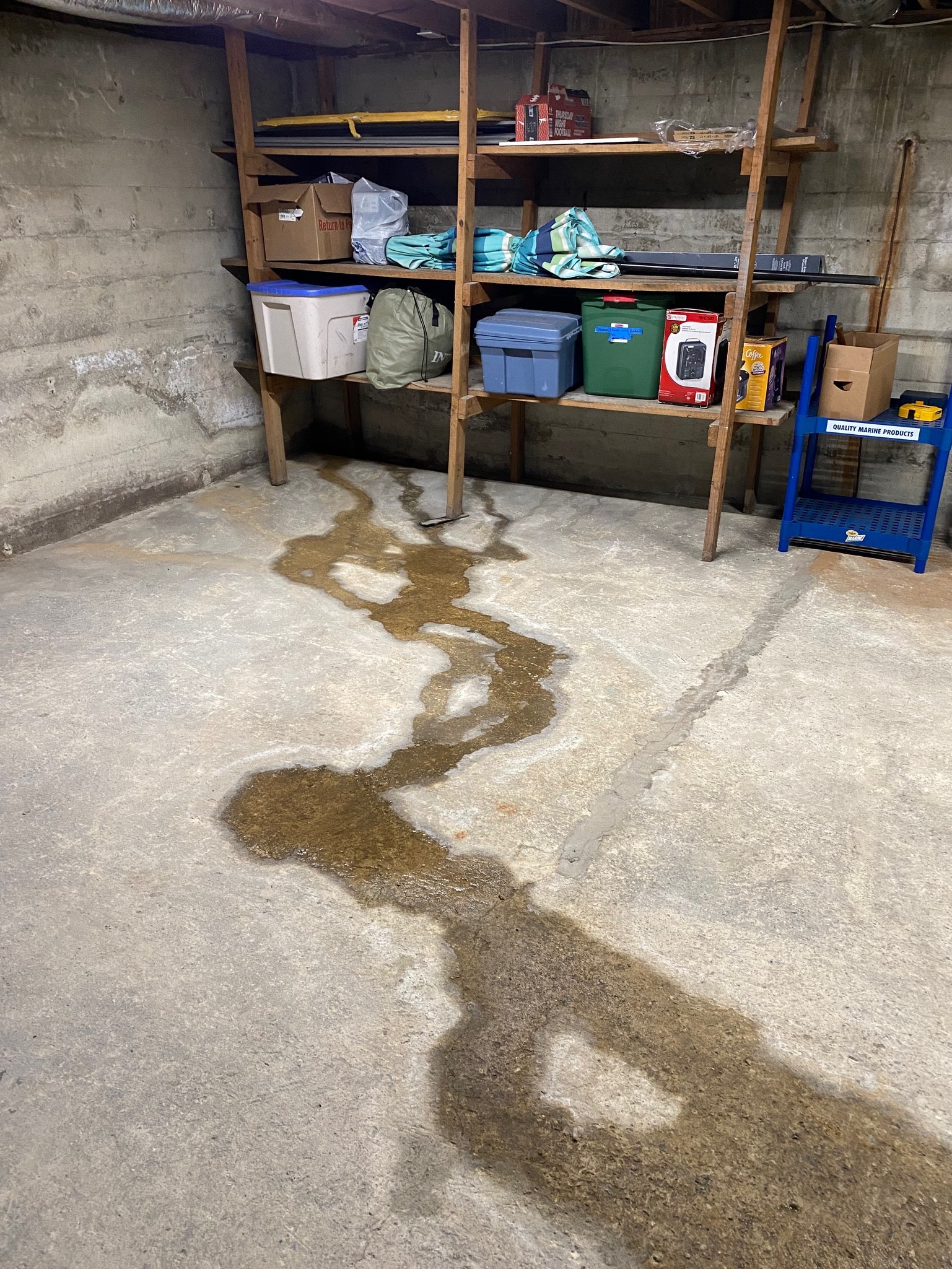
Start by examining your walls and floors closely. Look for discolored spots or areas where the paint or wallpaper is peeling. This could be a sign that water is seeping in. Cracks in your walls or floors are another major red flag, as these provide an easy route for water to enter your basement.
Next, pay attention to your basement’s windows and doors. If they’re sticking or harder to open than usual, water damage could be the culprit. Swelling wood absorbs moisture, causing it to warp and distort. Water marks or stains near your windows and doors are also telltale signs of water intrusion.
Detecting Unpleasant Damp Odors
After scrutinizing your basement for visible signs of water damage, you mightn’t be done just yet.
There’s another telltale sign to look for that’s just as important: unpleasant damp odors. You see, persistent moisture can create a distinctive, musty smell that’s hard to miss.
The scent is similar to that of wet cardboard or a damp, closed-up room that hasn’t been aired out in a while. It’s not something you’ll forget once you’ve smelled it. It’s a clear hint that your basement may require waterproofing.
Don’t disregard this smell, even if you don’t see any obvious signs of water damage. Water can seep into hidden nooks and crannies, creating a moisture problem without visible proof.
If you’ve noticed this odor, it’s time to investigate further. Look for other signs of moisture, like condensation on pipes or walls.
Remember, this scent isn’t just unpleasant—it’s a warning sign of potential problems. It’s better to tackle these issues early on, rather than waiting until they’ve escalated.
Identifying Mold and Mildew
If you’re dealing with persistent dampness in your basement, chances are you’ll soon encounter another issue: mold and mildew. These undesirable guests thrive in damp conditions and, if left unchecked, can damage your home’s structural integrity and pose health risks.
Mold and mildew often appear as dark spots or patches on walls, ceilings, or floors. They may also produce a musty odor. It’s vital to identify these signs early as they can indicate a serious water intrusion problem that requires immediate attention.
Here’s a handy reference to help you distinguish between the two:
Mold
Mildew
Often black, green, or blue
Usually grey or white
Fuzzy or slimy appearance
Powdery or fluffy
Can grow in layers
Stays flat on surfaces
Can cause serious health issues
Generally less harmful
Cracked Walls and Floors
You’ve spotted the mold and mildew, but now let’s take a look at another warning sign – cracked walls and floors in your basement.
Spotting wall cracks early on can save you from costly repairs down the line.
But what about floor cracks? They can have serious consequences, too.
Identifying Wall Cracks
Spotting wall cracks early can save you a lot of trouble down the line. You might think they’re just cosmetic issues, but these fissures are often warning signs of a more serious underlying problem—water seepage.
Before you dismiss those wall cracks as harmless, it’s important to identify their types. Hairline cracks are usually superficial, but still, don’t ignore them. They can widen over time and allow moisture in.
Horizontal cracks are more concerning. These might indicate pressure from water-soaked soil outside, pushing against your basement walls.
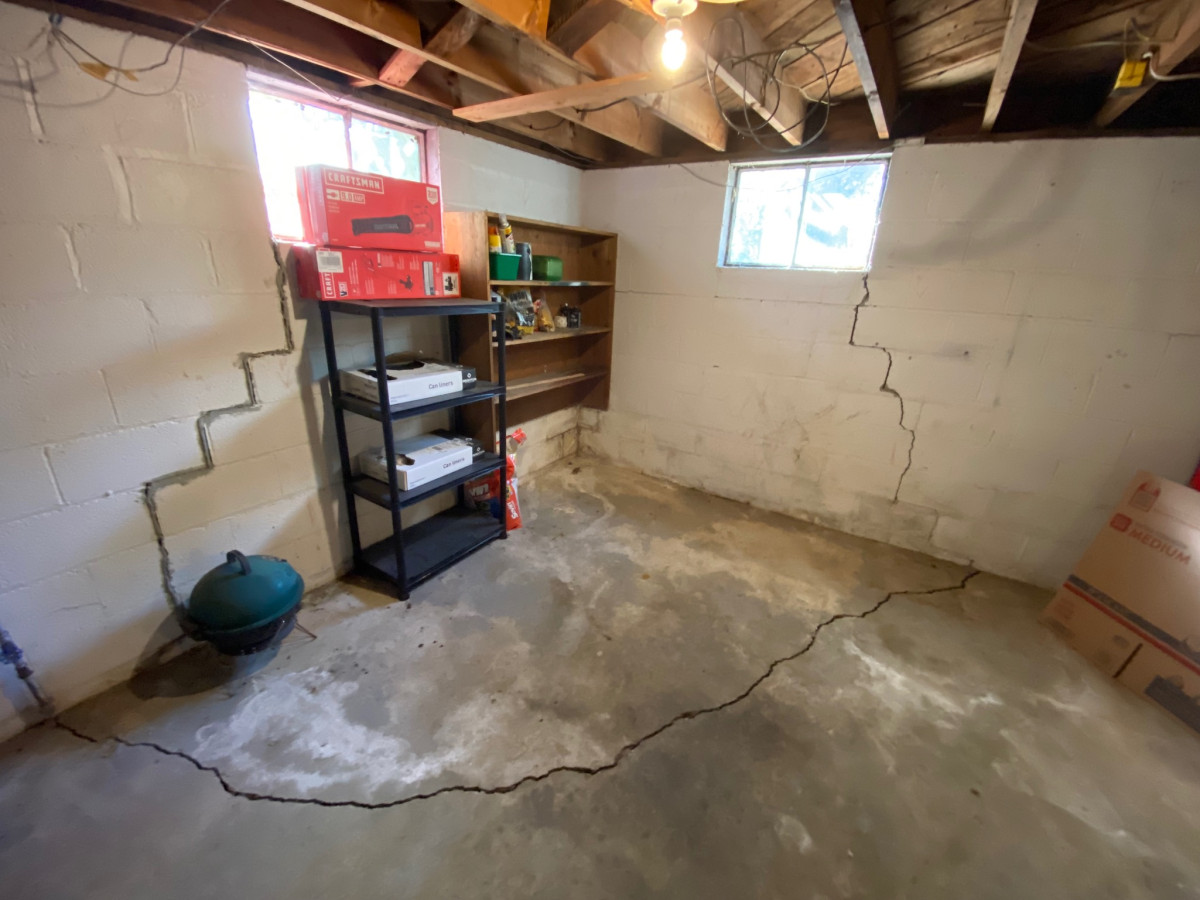
Even more alarming are stair-step cracks, often seen in brick or concrete block walls. They may represent a significant structural issue, like a shifting foundation. If you see these, it’s time to call in professionals ASAP.
Lastly, watch for vertical cracks. While they’re typically less severe than horizontal ones, they can still indicate water intrusion.
Floor Crack Consequences
Continuing from wall cracks, let’s now explore the implications of floor cracks in your basement.
It’s important to treat these with the same level of concern as wall cracks because they’re another telltale sign your basement needs waterproofing.
Floor cracks can lead to a number of problems. To begin with, they can cause structural instability. When cracks appear, they can compromise the solidity of your basement floor, creating a safety hazard.
Additionally, cracks can allow water to seep in, especially during heavy rainfall or snow melts. This can lead to an increase in humidity in your basement, which in turn can promote mold growth.
Mold isn’t just unsightly—it’s a health hazard. It can cause allergic reactions and respiratory problems, especially in individuals with asthma or other respiratory conditions.
Additionally, the increased moisture can attract pests, such as rodents and insects.
Lastly, floor cracks can decrease the value of your home. Potential buyers may view these as signs of neglect and may be put off by the additional repair costs.
Increased Humidity Levels
When your basement starts feeling more like a tropical jungle than a part of your home, it’s time to take notice. Increased humidity levels can be a telltale sign that your basement needs waterproofing.
You’ve probably noticed a damp or musty smell. That’s excessive moisture at work, and it’s not something you should ignore. It can lead to damaging mold growth and even structural issues if left unchecked.
So, how do you know if the humidity levels in your basement are too high? Well, if you’re experiencing condensation on your basement walls or windows, that’s a sure sign.
You might also notice your stored stuff getting damp or even ruined. This isn’t just about stuffy air or a temporary discomfort. It’s about protecting your home and your belongings.
Don’t wait until it’s too late to waterproof your basement. Look out for clear signs like water damage, damp odors, mold, cracked walls, and high humidity levels. Ignoring these can lead to expensive repairs and health hazards. Stay safe and save money by addressing these issues promptly. Remember, a dry basement is a happy home.
Contact Information:
Seal-tite Basement Waterproofing
355 Olde Rte 604 Troutville, VA 24175 United States
Information contained on this page is provided by an independent third-party content provider. XPRMedia and this Site make no warranties or representations in connection therewith. If you are affiliated with this page and would like it removed please contact [email protected]