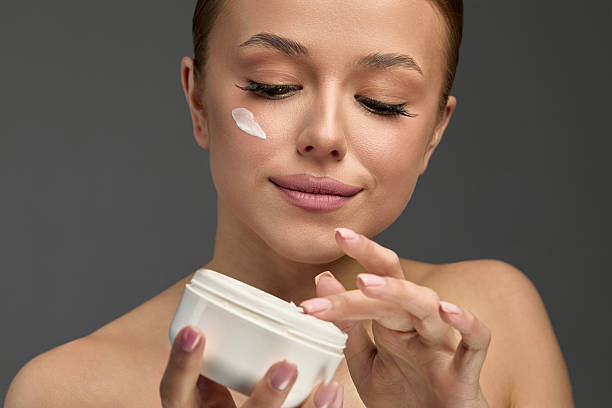
Winter skin care means protecting a moisture-rich, resilient skin barrier against cold air, low indoor humidity, and drying wind so your complexion stays healthy and glowing. This guide explains what causes winter dryness, how the skin barrier is affected, and practical routines and product choices to prevent flaky, irritated skin while maintaining radiance. You will learn how humectants, emollients, and occlusives work together, which active ingredients to prioritize, and simple lifestyle adjustments—like humidifier settings and cleansing habits—that make a measurable difference. The article also offers step-by-step protection strategies, short AM/PM routines for different skin types, and quick remedies for chapped lips and flaky patches. Read on for concise, evidence-backed tips to prevent dry skin in winter and keep your skin hydrated, comfortable, and luminous through the cold months.
What Causes Dry Skin in Winter and How Does It Affect Your Skin Barrier?
Winter dry skin occurs when cold, low-humidity air and indoor heating increase transepidermal water loss (TEWL), removing water and lipids from the stratum corneum and weakening the skin barrier. The mechanism is simple: reduced ambient moisture lets water evaporate faster from the skin surface, and heating systems further lower indoor relative humidity, which together strip natural oils and disrupt the lipid matrix that seals moisture in. A compromised barrier increases sensitivity, redness, and flaking while allowing irritants and microbes easier access to deeper layers. Understanding these causes points directly to solutions: restore lipids, lock in moisture, and limit behaviors that accelerate barrier breakdown.
This section lists the main drivers so you can quickly target prevention and treatment.
Cold, dry outdoor air increases evaporation from the skin surface.
Indoor heating lowers humidity and accelerates transepidermal water loss.
Hot showers, harsh cleansers, and over-exfoliation remove protective oils and lipids.
These environmental and behavioral causes together explain why focused barrier repair reduces winter irritation and prepares the skin for protective care.
How Does Cold Weather and Low Humidity Lead to Moisture Loss?
Cold air holds less water vapor, so when temperatures drop the air’s absolute humidity falls and the skin loses moisture more rapidly through TEWL. Physically, the stratum corneum’s lipid layers thin and corneocytes lose bound water, creating microscopic gaps through which moisture escapes. Studies and seasonal measurements show measurable increases in morning skin dryness during winter months, reinforcing the need for barrier-focused care. Simple mitigations like shorter lukewarm showers and applying moisturizer to damp skin reduce evaporation and help restore hydration.
Reducing TEWL is the first practical step before discussing ingredient choices for repair.
Why Is Protecting Your Skin Barrier Essential in Winter?
The skin barrier—composed of corneocytes embedded in a lipid matrix of ceramides, cholesterol, and fatty acids—prevents water loss and blocks irritants and microbes from entering the body. When winter stresses strip lipids, the barrier’s integrity declines, producing redness, itch, and flaking and increasing the risk of inflammation or secondary infection. Repair strategies focus on replenishing lipids (especially ceramides), using humectants to draw water into the stratum corneum, and applying occlusives to seal that moisture in. Prioritizing barrier repair reduces symptoms and prevents a cycle of damage that leads to chronic dryness.
Restoring lipids naturally leads into which moisturizer ingredients work best in cold weather.
What Are the Best Moisturizers and Hydration Tips for Winter Skin Care?
The best winter moisturizing approach layers a humectant serum, a ceramide-rich cream, and an occlusive balm when needed to trap moisture and rebuild the lipid matrix. Humectants such as hyaluronic acid and glycerin attract and hold water in the stratum corneum, ceramides restore the structural lipids that form the barrier, and occlusives like petrolatum or dimethicone create a surface seal that prevents TEWL. Apply products to damp skin after cleansing and use an overnight occlusive on very dry patches for extra repair. Consistent layering—serum, cream, then occlusive—maximizes topical hydration.
Below is an at-a-glance comparison of common winter moisturizer ingredients to help you choose products quickly.
Hyaluronic acid – A humectant that attracts and retains water in the stratum corneum.
Ceramides – Barrier lipids that restore structural lipids to help repair the skin barrier.
Petrolatum – An occlusive that seals in moisture and prevents transepidermal water loss.
Shea butter – An emollient that smooths and softens skin by filling gaps between lipids.
This shows how combining humectants, barrier lipids, and occlusives produces synergistic hydration that is especially effective in winter.
Which Ingredients Should You Look for in Winter Moisturizers?
Choose products that contain humectants (hyaluronic acid, glycerin), barrier lipids (ceramides, cholesterol), and emollients (squalane, shea butter) to both replenish and protect the skin. For severely dry areas, include an occlusive such as petrolatum to lock moisture in overnight and accelerate repair. Look for fragrance-free formulations if you have sensitive skin, and patch-test new products on a small area to avoid reactions. These ingredient classes address different mechanisms—water attraction, structural repair, and surface sealing—so products that combine them give better outcomes.
Identifying ingredients leads naturally to lifestyle measures that complement topical care and conserve moisture.
How Can Humidifiers and Drinking Water Improve Skin Hydration?
Raising indoor relative humidity to around 40–60% with a clean humidifier measurably reduces TEWL and improves perceived skin comfort during winter. Place humidifiers in frequently used rooms and maintain them per manufacturer instructions to avoid microbial growth that could cause irritation. While drinking water supports overall physiology and systemic hydration, topical hydration—through appropriate moisturizers and occlusives—has the most immediate effect on skin moisture levels. Together, indoor humidity control and topical strategies provide the strongest defense against winter dryness.
These environmental adjustments prepare the skin for protective steps covered in the next section.
How Do You Protect Your Skin from Winter’s Harsh Elements?
Protection from winter elements combines physical barriers, daily sunscreen, and gentle cleansing to preserve lipids and prevent further moisture loss. Clothing such as scarves, gloves, and wind-resistant layers reduce direct exposure to cold and abrasive wind, while planning short outdoor exposure times prevents cumulative damage. Sunscreen remains important year-round because snow reflects UV and UVA penetrates clouds and glass; broad-spectrum SPF 30+ should be applied as part of your morning routine on exposed skin. A gentle daily regimen that avoids hot water and harsh surfactants keeps the skin barrier intact so protective measures are more effective.
Use the simple dos and don’ts below to make practical protection choices that are easy to follow every day.
Do wear protective clothing: Scarves and gloves shield skin from wind and cold.
Do apply broad-spectrum SPF 30+: Sunscreen reduces UV and photodamage even in winter.
Don’t use hot water or harsh cleansers: Lukewarm water and mild, fragrance-free cleansers preserve oils.
These actionable items help reduce exposure and preserve barrier function while preparing the skin for targeted repair.
Why Is Sunscreen Important Even in Winter?
Snow and ice can reflect up to 80% of incoming UV radiation, increasing total exposure, and UVA wavelengths penetrate clouds and glass, contributing to long-term photodamage even on overcast days. For these reasons, broad-spectrum SPF 30 or higher remains a key protective step during winter months, especially for outdoor activities like skiing or long walks on reflective surfaces. Integrate sunscreen into your morning skincare routine and reapply when spending extended time outdoors. Sunscreen protects both against cumulative damage and against photo-exacerbation of dryness and redness.
Knowing sunscreen’s role makes it easier to select cleansing habits that avoid stripping the barrier next.
What Are Gentle Cleansing Tips to Avoid Dryness and Irritation?
Choose a mild, non-foaming cleanser or a gentle cream cleanser and use lukewarm water to remove dirt without stripping essential lipids from the skin surface. Limit full-body hot showers, shorten shower time, and pat skin dry rather than rubbing to preserve residual moisture for follow-up moisturization. Apply moisturizer within one to two minutes of washing to trap water in the stratum corneum and reduce TEWL. Reduce abrasive physical exfoliation and prefer gentle chemical exfoliants infrequently if needed to avoid re-opening barrier gaps.
What Are Effective Remedies and Routines for Common Winter Skin Concerns?
Practical AM and PM routines and targeted home remedies address common winter issues—dry patches, chapped lips, and eczema flares—while adjustments by skin type keep the approach individualized.
A simple morning routine includes a gentle cleanser, humectant serum, ceramide-rich cream, sunscreen, and protective clothing when going outside.
The evening routine focuses on barrier repair with a richer cream and spot occlusion for very dry areas.
For chapped lips and flaky patches, use petrolatum overnight and gentle cleansing during the day; seek professional care if fissures, bleeding, or signs of infection develop.
Below is a condition-to-action crosswalk to make quick decisions about home care and when to consult a provider.
Dry, flaky patches: Apply a ceramide cream followed by an overnight occlusive. Seek professional help if cracks bleed or don’t improve within 2 weeks.
Chapped lips: Use petrolatum or an emollient balm frequently throughout the day and overnight. Seek care if there are deep fissures, persistent pain, or signs of infection.
Eczema flare: Use a gentle cleanser, apply fragrance-free emollients, and avoid known triggers. Seek professional help if the flare is worsening, spreading, or causing severe inflammation.
This helps prioritize safe home remedies while outlining red flags that warrant professional evaluation.
How Can You Treat Dry, Flaky Skin and Chapped Lips in Winter?
Treat flaky skin with targeted overnight occlusion using petrolatum after applying a ceramide-rich cream, which restores lipids and seals moisture to encourage repair. For chapped lips, frequent application of a petrolatum or emollient balm prevents water loss, and nightly occlusion accelerates healing of fissures. Avoid harsh scrubs or aggressive exfoliation on damaged areas; instead, use very gentle removal of scale only after barrier repair has begun. If cracks deepen, bleed, or show signs of infection, seek medical evaluation to rule out secondary infection or other underlying causes.
These stepwise home treatments form the core of safe, effective at-home winter skin repair.
How Should You Adjust Your Winter Skincare Routine for Different Skin Types?
Dry skin benefits from richer creams, occlusives, and limited exfoliation to rebuild lipids and water content, while oily skin should use non-comedogenic humectant serums and lightweight barrier creams to avoid pore blockage. Combination skin can apply richer products to dry zones and lighter hydrators where oiliness occurs, balancing barrier support without excess oil. Sensitive skin should choose fragrance-free, minimal-ingredient formulations and patch-test new products to prevent reactive irritation. Across types, the guiding principle is to restore and protect the barrier while tailoring texture and frequency to prevent secondary problems.
Adapting routines by skin type ensures targeted benefits and reduces the chance of overcorrecting or causing new issues.
Keystone Health and Wellness Centre is primarily an injury management clinic with locations in Florence, Bennettsville, and Conway, South Carolina, focusing on chiropractic care and physical therapy. As an information hub and lead-generation resource, Keystone's online presence and Google Business Profile offer local intake information and general wellness guidance; readers with complex or injury-related skin concerns may contact them via those official channels for integrated care referrals and general wellness intake.
Keystone Health and Wellness Centre provides local resources and intake information as a community health resource, and their clinic profiles on commonly used platforms can help you find additional integrated wellness support. Their role here is informational and referral-oriented rather than a claim of dermatology services.