Key Takeaways
Strategic energy partnerships are reshaping how hyperscale operators scale AI infrastructure while meeting ambitious sustainability commitments.
Data center power demand will grow 160% by 2030, requiring innovative sustainable data center energy solutions that traditional grid infrastructure cannot support
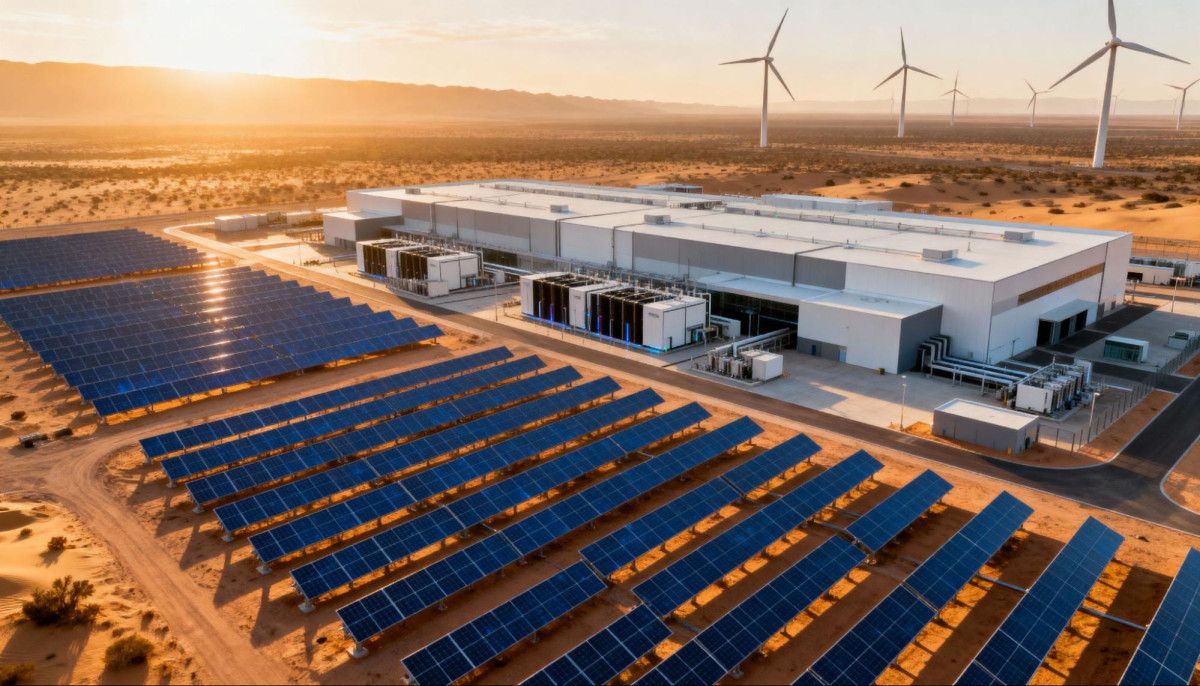
Strategic energy partnerships enable hyperscale operators to co-develop locations with dedicated renewable generation, solving grid constraints and sustainability challenges simultaneously
Integrated energy campus models combining land development, renewable generation, and data center infrastructure represent the most viable path for sustainable AI growth
Organizations establishing comprehensive clean energy partnerships today will gain competitive advantages in operational costs and carbon compliance
The companies that master collaborative energy development will lead the next generation of AI infrastructure.
The artificial intelligence revolution has created an unprecedented challenge for digital infrastructure. According to the International Energy Agency, global data center electricity consumption will reach 945 TWh by 2030, more than double the 415 TWh consumed in 2024. This explosive growth makes sustainable data center energy solutions a business imperative determining which organizations can capitalize on AI opportunities.
Traditional utility relationships cannot meet AI's demands. Grid infrastructure in major markets faces 3-7 year connection delays, while sustainability commitments require carbon-free power at scales utilities cannot provide. The solution: strategic partnerships integrating energy development directly into infrastructure planning.
Why Traditional Energy Procurement Fails AI Infrastructure
Modern AI operations have outpaced conventional utility relationships. McKinsey analysis shows AI-focused data centers now require 80-150 kW per rack compared to traditional configurations of 10-15 kW, creating density challenges that strain existing electrical infrastructure.
Hyperscale operators face converging pressures traditional procurement cannot address. Sustainability commitments demand unprecedented renewable energy scale. Reliability requirements necessitate redundant power with zero interruption tolerance. Speed-to-market considerations require deployment timelines existing grid infrastructure cannot accommodate.
The Grid Infrastructure Reality
Grid constraints have become acute in primary data center markets. Northern Virginia, Silicon Valley, and other established hubs report limited capacity and extended deployment waiting periods. According to infrastructure analysis, some utilities require complete transmission upgrades before supporting additional large-scale operations, creating bottlenecks threatening AI expansion.
Renewable energy integration introduces additional complexity. According to the Environmental and Energy Study Institute, from September 2023 to August 2024, only 22% of data center energy came from renewable sources, while 56% came from fossil fuel power plants. This gap between sustainability commitments and operational reality demonstrates why new partnership models have become essential for sustainability in AI compute.
How Strategic Energy Partnerships Enable Sustainable Hyperscale Growth
Leading technology companies recognize that securing adequate sustainable data center energy solutions requires direct involvement in energy infrastructure development. Rather than passively purchasing power from utilities, these organizations forge deep partnerships with energy developers creating integrated solutions addressing multiple challenges simultaneously.
The partnership approach transforms how hyperscale infrastructure comes online. Instead of selecting sites then scrambling for power connections, forward-thinking operators co-develop locations with dedicated renewable generation. According to Goldman Sachs Research, data center power demand will grow 160% by 2030, driven primarily by AI workloads, making strategic energy partnerships essential for meeting this unprecedented scale.
These strategic relationships extend beyond simple power purchase agreements. Comprehensive partnerships address site selection, land development, renewable energy generation, energy storage, grid interconnection, and long-term operational management through coordinated planning. The most sophisticated arrangements involve energy developers handling the full development lifecycle, from identifying optimal locations through delivering operational power infrastructure.

Geographic distribution strategies have become increasingly important for hyperscale energy partners optimizing both sustainability and reliability. Texas has emerged as particularly attractive due to extensive wind and solar capacity, business-friendly regulatory environments, and available land for large-scale development.
The Five Critical Components of Sustainable Data Center Energy Solutions in AI Compute Partnerships
Organizations evaluating potential energy partnerships should assess capabilities across five essential dimensions determining long-term success. These components work together creating truly sustainable data center energy solutions that can scale alongside AI demands while meeting environmental commitments.
1. Renewable Generation Capacity
Partners must demonstrate substantial existing renewable generation assets and concrete expansion plans. AI growth scale requires partners delivering gigawatts of clean energy, not just project-level capacity. Evaluation should examine both current renewable portfolio size and planned development pipeline ensuring long-term adequacy.
2. Energy Storage Integration
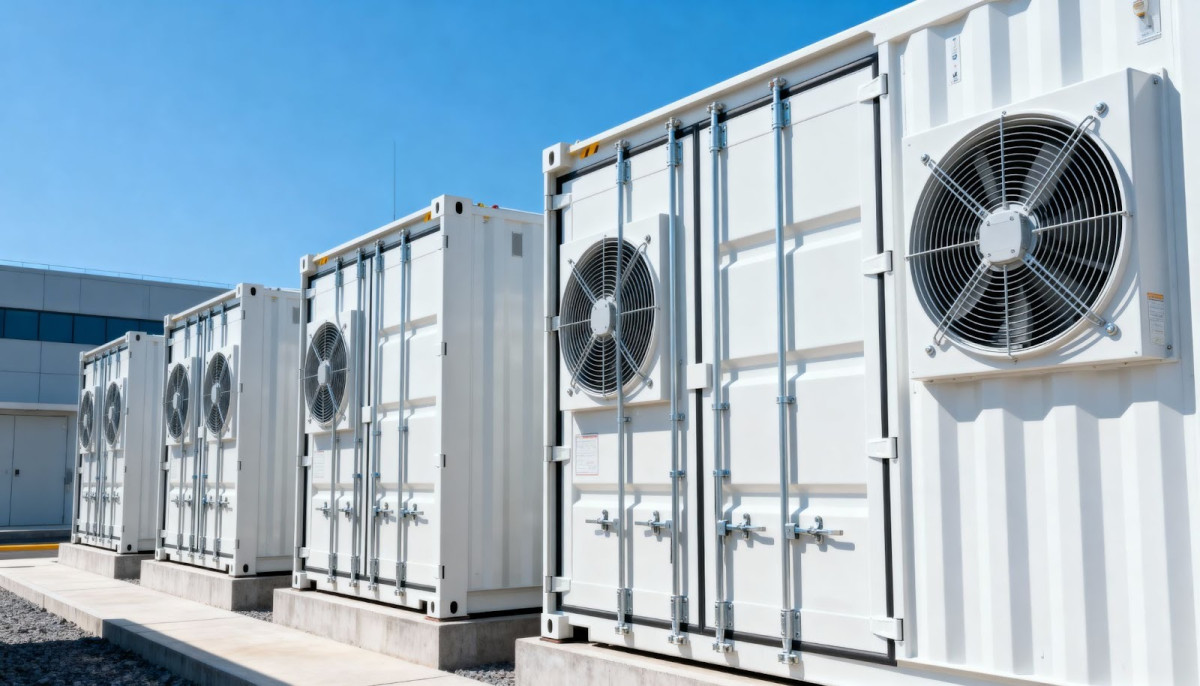
Large-scale battery systems provide flexibility essential for renewable-heavy energy profiles. Storage capabilities enable excess generation during peak production to serve demand during low production times, smoothing intermittency and improving grid stability. Partners should offer grid-scale storage solutions supporting facility operations for extended periods when renewable generation is limited.
3. Grid Interconnection Expertise
Securing adequate grid connections in constrained markets requires specialized expertise and utility relationships. Partners must navigate complex interconnection queues, negotiate transmission agreements, and manage upgrade requirements that can add years without proper handling. Experience delivering large-scale grid connections in multiple markets indicates capability to handle the most challenging deployment scenarios.
4. Land Development Capabilities
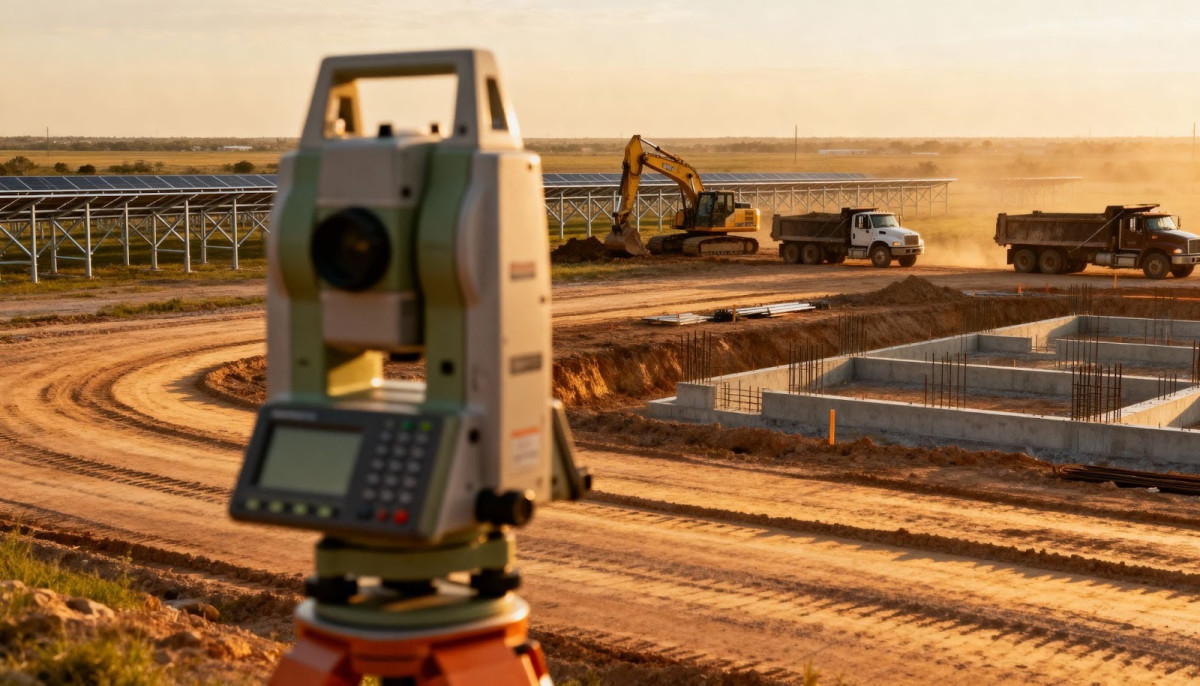
Identifying and developing optimal sites requires expertise few organizations possess. Partners should demonstrate proficiency in land acquisition, entitlement, infrastructure development, and site preparation for energy-intensive operations. Creating shovel-ready sites with power infrastructure already in place dramatically accelerates deployment timelines.
5. Long-Term Operational Excellence
Energy infrastructure represents multi-decade investments requiring partners with proven operational capabilities. Evaluation should examine track records for facility uptime, maintenance efficiency, and ability to scale capacity as needs evolve. Partnership relationships typically span 15-20 years or longer, making long-term operational capabilities as important as initial development expertise.
Where Hyperscale Operators Deploy Sustainable Energy Partnerships
Geographic patterns in partnership deployments reveal strategic considerations driving location decisions for next-generation AI infrastructure. Understanding these patterns helps organizations identify optimal markets for expansion while recognizing where competition for sustainable data center energy solutions resources may be most intense.
Texas has emerged as the dominant market for integrated energy campus developments, attracting massive investments from leading hyperscale operators. The state offers extensive renewable generation capacity, business-friendly regulations, available land, and a deregulated electricity market enabling innovative partnership structures.
The Midwest is experiencing significant growth due to abundant wind resources and relatively unconstrained grid infrastructure. States like Iowa, Kansas, and Oklahoma provide access to some of the nation's best wind generation potential alongside available land and supportive regulatory environments.
Regional Partnership Characteristics
Region | Primary Renewable Resources | Key Partnership Advantages |
Texas | Wind, Solar | Deregulated market, abundant land |
Midwest | Wind, Solar | Low land costs, strong wind resources |
Southeast | Solar | Growing fiber networks, utility support |
Mountain West | Solar, Wind, Geothermal | Open space, renewable diversity |
Emerging markets in the Southeast are attracting attention due to strong solar resources, improving fiber connectivity, and growing utility relationships. While historically less prominent for data center development, states like Georgia, North Carolina, and Tennessee see increased interest as operators seek alternatives to constrained primary markets. Clean energy partnerships have become essential for developing these secondary markets where renewable resources may be abundant but data center infrastructure remains limited.
How to Structure Partnerships That Deliver Long-Term Value
Creating effective clean energy partnerships requires careful attention to structural elements aligning incentives and ensuring sustainable value creation over multi-decade timespans. Organizations should consider several key factors when negotiating partnership arrangements.
Power purchase agreement structures form the financial foundation of most partnerships. Long-term PPAs provide revenue certainty enabling energy developers to secure financing for renewable generation projects while offering operators predictable power costs. According to digital infrastructure planning best practices, agreements typically span 15-25 years, balancing developer financing needs with operator flexibility requirements.
Ownership models vary significantly across partnerships, with implications for control, risk allocation, and financial returns. Some operators choose to directly own renewable generation assets, providing maximum control and long-term cost advantages but requiring substantial capital investment. Others prefer partnerships where energy developers own and operate generation facilities, preserving operator capital for core technology investments.
Performance guarantees protect operators from underperformance while ensuring accountability for delivery commitments. Well-structured agreements include specific uptime requirements, renewable energy percentage targets, and remedies for failures to meet contractual obligations.
Scalability provisions allow partnerships to expand alongside growing infrastructure needs. Initial agreements should include options for capacity increases, additional site development, and technology upgrades as requirements evolve. The most forward-thinking partnerships build in mechanisms for incorporating emerging technologies like green hydrogen or next-generation energy storage as they become commercially viable.
What the Future Holds for Sustainable Hyperscale Energy Solutions
The partnership model for sustainable data center development continues evolving as both technology and energy sectors adapt to AI's unprecedented demands.
Nuclear energy integration is gaining momentum as hyperscale operators seek reliable baseload power to complement intermittent renewables. Recent partnerships focus on restarting decommissioned nuclear facilities and developing small modular reactor technologies specifically designed for data center applications.
Green hydrogen is transitioning from experimental technology to practical energy storage solution. Major partnerships now include provisions for hydrogen production using excess renewable generation, creating fuel supplies for generators during extended low renewable output periods.
Advanced geothermal technologies are emerging as potential game-changers for baseload clean energy, offering renewable generation without intermittency challenges plaguing solar and wind.
Building Your Strategic Energy Partnership Roadmap
Organizations planning major AI infrastructure investments should begin partnership development well before specific projects receive approval. The most successful deployments result from collaborative planning integrating energy strategy from the earliest conceptual stages.
Start by assessing internal capabilities and identifying gaps partnerships must fill. Most technology companies lack expertise in renewable energy development, land acquisition, and utility relationships. Honest evaluation helps define partnership requirements and prevents unrealistic expectations.
Research potential partners thoroughly, examining track records for technical capability and operational reliability. Request detailed case studies of comparable projects, including challenges and resolutions. Consider engaging specialized advisors with expertise in energy infrastructure development for AI data centers to navigate technical, financial, and contractual considerations.
Frequently Asked Questions
How long does it take to develop integrated energy campus partnerships for AI infrastructure?
Comprehensive energy campus development typically requires 3-5 years from initial planning to full operational status, including site identification, permitting, renewable energy installation, and data center construction. However, partnerships with experienced developers maintaining portfolios of pre-permitted sites can significantly reduce timelines by 12-18 months.
What percentage of data center energy can realistically come from renewable sources?
Leading hyperscale operators achieve 50-75% renewable energy through combinations of on-site generation, dedicated off-site renewable projects, and strategic grid connections. With advanced energy storage integration and geographic distribution strategies, operators can approach 90%+ renewable percentages, though achieving true 24/7 carbon-free operations remains challenging without additional technologies like green hydrogen or nuclear partnerships.
How do sustainable data center energy solutions impact total cost of ownership?
While initial capital requirements for integrated renewable generation are higher than traditional grid connections, long-term operating costs are typically lower due to predictable energy prices and reduced exposure to utility rate increases. Sustainable data center energy solutions typically show positive ROI within 7-10 years for properly structured partnerships.
What should organizations prioritize when evaluating hyperscale energy partners?
The three most critical factors are renewable generation capacity and development pipeline to ensure long-term adequacy, proven track record delivering gigawatt-scale projects on time and budget, and comprehensive capabilities spanning land development through operational management to minimize coordination complexity.
Ready to Scale Your AI Infrastructure Sustainably?
Strategic energy partnerships have evolved from optional enhancements to fundamental requirements for hyperscale AI infrastructure. Data centers will consume 945 TWh globally by 2030, with AI driving the majority of growth. Meeting this demand while achieving sustainability commitments requires innovative partnership models.
Hanwha Data Centers brings together energy development expertise, renewable generation capabilities, and data center infrastructure knowledge required to create integrated energy campuses powering next-generation AI operations. From identifying optimal sites through delivering operational facilities with dedicated renewable generation, we manage the complete development lifecycle.
Our approach integrates land development, solar and wind generation, energy storage, grid interconnection, and facility infrastructure into cohesive projects designed for long-term scalability. Contact Hanwha Data Centers today to explore how strategic energy partnerships can transform your AI infrastructure strategy.