You’ve probably heard about exterior waterproofing, but did you know it’s the only method approved by the International Building Code (IBC) for achieving lasting dryness? It’s true. By forming a robust barrier against moisture, you’re not just ensuring the safety and credibility of your home’s structure, but also enhancing its value and saving on future costs. But how exactly does this process work, and what other benefits can it bring you? Let’s dive deeper into the fascinating world of exterior waterproofing.
Key Takeaways
- IBC approval represents a high-quality, enduring exterior waterproofing method that meets international construction standards.
- Exterior waterproofing deters water from penetrating home’s exterior walls, acting as a proactive measure against moisture intrusion.
- The waterproofing process includes site evaluation, identifying problem areas, selecting suitable methods, and regular maintenance.
- Despite initial costs, exterior waterproofing offers long-term savings by warding off costly water damage repairs.
- Regular maintenance, such as inspecting for leaks and managing landscape, ensures the effectiveness and longevity of the waterproofing system.
Understanding Exterior Waterproofing
Diving right into the subject, exterior waterproofing is a method you need to fully grasp. It’s not just about slapping on some waterproof paint or sealing cracks in your foundation. Instead, it’s a thorough solution that prevents water from penetrating your home’s exterior walls.
Your home’s foundation is like a sponge, absorbing water from the surrounding soil. Over time, this water can cause serious damage, leading to costly repairs. But with exterior waterproofing, you’re fundamentally giving your foundation a waterproof coat, protecting it from the damaging effects of water.
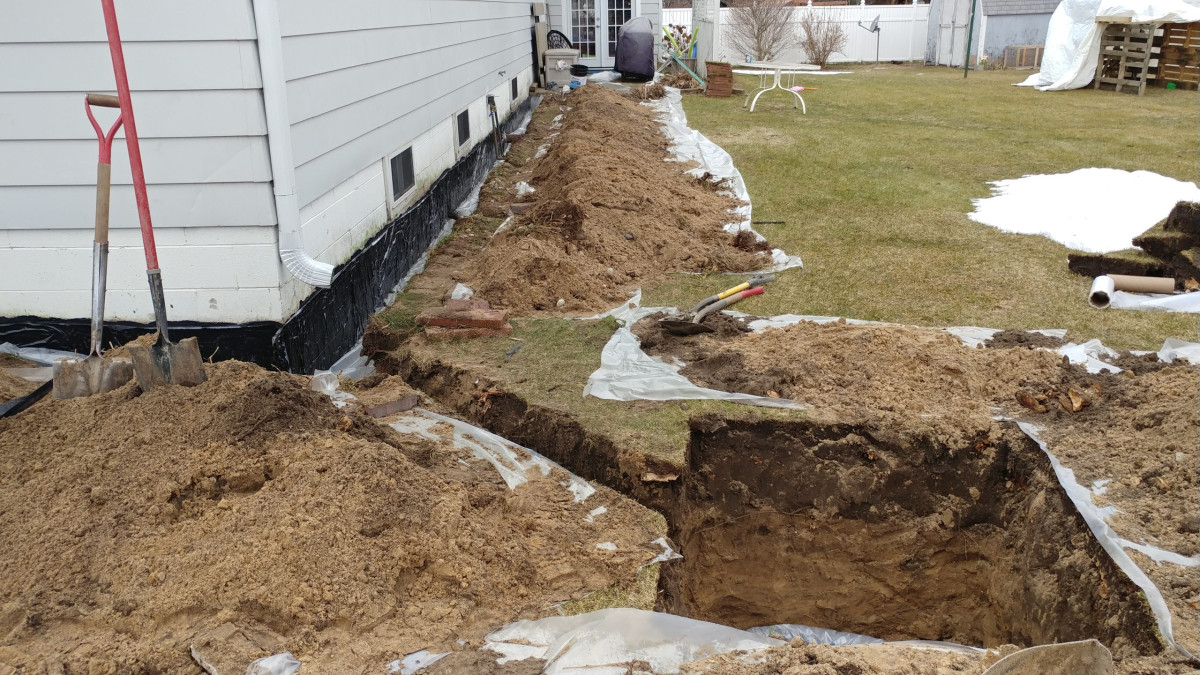
Now, you might be thinking, “That’s great, but how does it work?” Well, the process involves excavating around your home’s foundation, then applying a waterproof barrier. This barrier is typically a membrane or coating that’s designed to repel water.
Once it’s applied, any water that tries to make its way into your home will be stopped in its tracks.
In a nutshell, exterior waterproofing is a proactive measure you can take to protect your home. It’s an investment that’ll save you time, money, and stress down the line.
The Importance of IBC Approval
You’ve got to understand the significance of the International Building Code (IBC) approval in the domain of exterior waterproofing.
It’s not just a stamp of approval, but a gateway to numerous benefits that we’ll explore.
Let’s also walk you through the process of gaining this compliance, it’s simpler than you think.
Understanding IBC Approval
Comprehension of IBC Approval stands as a cornerstone in the process of exterior waterproofing. It’s the green light you need before you can proceed with any waterproofing project. So, what is it exactly?
IBC, or the International Building Code, lays out standards for construction including waterproofing techniques. It’s a universally accepted guide used by building professionals globally. Gaining IBC Approval means your methods meet or surpass these recognized standards.
Here’s a simple breakdown:
| What is IBC Approval? | Why is it Important? |
|---|---|
| A recognition that your waterproofing methods comply with internationally recognized standards | It guarantees the quality, safety, and longevity of your waterproofing project |
You might think it’s a bureaucratic hoop, but it’s more than that. It’s a seal of quality assurance, a guarantee that your work stands up to the highest standards. Without it, you’re taking unnecessary risks. Remember, shortcuts lead nowhere in construction. So, when you’re planning your next waterproofing project, make sure you’re aiming for IBC Approval. The peace of mind it brings is worth the effort.
IBC Approval Benefits
Securing IBC Approval for your waterproofing project offers a multitude of benefits. It’s not just about ticking a box; it’s about guaranteeing that your building is structurally sound and can withstand adverse weather conditions.
By meeting these stringent standards, you’re also guaranteeing the safety and well-being of your building’s occupants.
IBC Approval also enhances your project’s credibility. When you can say your project adheres to IBC standards, it’s a badge of honor. It’s a sign that you’ve taken the time and made the investment to guarantee your work is high-quality.
And in today’s competitive market, that can make all the difference.
In the long run, securing IBC Approval can save you money. While the initial outlay might seem steep, consider the costs of potential damage or repairs if your waterproofing fails.
IBC Compliance Process
Often, the process of securing IBC Approval can seem intimidating, but it’s an essential step in any exterior waterproofing project. You can’t overlook it, as it’s the only method officially recognized for its effectiveness and durability.
So, how do you start? To begin with, you’ll need to familiarize yourself with the International Building Code’s requirements. These are the standards that your waterproofing system will need to meet. You’ve got to understand them thoroughly to guarantee your project’s success.
Next, it’s time to plan your project, incorporating IBC standards. You might need to hire a professional to help you with this. They’ll make sure you’re on the right track, preventing unnecessary adjustments later.
Once your plan’s in place, you’ll submit it for IBC review. They’ll check if your project meets their standards. If it does, you’ll gain approval, allowing your project to proceed. If not, they’ll provide feedback on what needs improving.
How Exterior Waterproofing Works
To fully grasp the concept of exterior waterproofing, you need to understand its core principles.
Think of it as a shield that protects your home from water damage. It’s a complex process that involves various steps and materials, but let’s break it down into four key stages:
- Excavation: This is where you’ll need to dig around the exterior of your house, right down to the foundation. It’s a labor-intensive task, but it’s necessary to expose the areas that need waterproofing.
- Cleaning and Inspection: After excavation, the foundation walls are cleaned and inspected for cracks or damage. Any issues found are repaired to guarantee a solid base for the waterproofing material.
- Application of Waterproofing Material: A layer of waterproofing material is then applied to the exterior walls. This barrier stops water from penetrating your home’s foundation, keeping your interior dry and damage-free.
- Backfilling: Once the waterproofing material has dried, the excavated area is filled back in. This final step guarantees the stability of your home’s foundation.
That’s how exterior waterproofing works. It’s a tough job, but the peace of mind it brings is well worth it.
Key Benefits of Exterior Waterproofing
Exterior waterproofing, your home’s best defense against water damage, offers a wealth of benefits that extend beyond just keeping your interior dry. It’s an investment that pays off in several ways, protecting not only your home but also your peace of mind.
The first benefit is increased property value. A home with an effective exterior waterproofing system is more appealing to potential buyers, enhancing its resale value. In addition, you won’t be dealing with mold and mildew problems. These harmful fungi thrive in moist environments, so by keeping your home dry, you’re reducing the likelihood of their growth. Thirdly, it helps maintain your home’s structural integrity. Water can weaken your home’s foundation, but with exterior waterproofing, you’re fortifying it against potential damage.
| Benefit | Description |
|---|---|
| Property Value | Enhances resale value |
| Health | Reduces mold and mildew |
| Structural Integrity | Protects the foundation |
| Energy Efficiency | Decreases energy costs |
| Peace of Mind | Prevents stress of water damage |
Lastly, it improves energy efficiency. A dry home is easier to heat and cool, reducing your energy costs. And let’s not forget peace of mind. Knowing your home is protected from water damage, you’ll sleep easier at night.
Exterior vs. Interior Waterproofing
While exterior waterproofing offers numerous benefits, it’s also worth comparing it to interior waterproofing to make an informed decision. Both have their own set of pros and cons, depending on your specific needs and the characteristics of your building.
When it comes to exterior waterproofing, consider these key aspects:
- Thoroughness: Exterior waterproofing tackles water issues from the outside, forming a barrier that prevents moisture from entering the building. It’s a thorough solution that addresses the root cause of water infiltration.
- Durability: It’s typically more durable and longer-lasting, reducing the need for frequent maintenance or reapplication.
Contrarily, interior waterproofing has its own benefits:
- Ease of application: Unlike exterior solutions, interior waterproofing doesn’t require extensive excavation or significant disruption to your property.
- Cost: Generally, interior methods are less expensive up front, making them a popular choice for budget-conscious property owners.
Signs Your Building Needs Waterproofing
Spotting the signs that your building needs waterproofing early on can save you a lot of trouble down the line.
You’ve got to be aware of the red flags before things get out of hand. If you’re noticing water stains on your walls or ceilings, that’s a clear indication that water is seeping in.
Don’t ignore these signs. They’re not purely cosmetic issues but are often the first indication of a larger, structural problem.
Mold and mildew growth is another big sign. These fungi thrive in damp environments, so if you’re frequently finding mold in your building, it’s likely that you’ve got a moisture problem.
The musty smell associated with mold is also a dead giveaway.
Cracks in your building’s foundation can also indicate a need for waterproofing. Water can seep into these tiny fractures, expanding them over time.
This doesn’t just lead to leaks but can also compromise the structural integrity of your building.
Lastly, if your basement is damp or flooded, it’s a surefire sign that your building needs waterproofing.
Don’t let these issues build up. Seek professional help and get your building waterproofed to prevent further damage.
The Cost of Exterior Waterproofing
When it comes to safeguarding your building from water damage, you might be wondering about the cost of exterior waterproofing.
It’s essential to remember that while this process might seem expensive upfront, it’s an investment that’ll save you cash in the long run by preventing costly water damage repairs.
Here are four key factors that affect the cost of exterior waterproofing:
- Size of the area: The larger the surface area you need to waterproof, the higher the cost. It’s directly proportional.
- Condition of the building: If your building is in poor condition, it’ll require more work. This means more labor, materials, and, consequently, higher costs.
- Quality of materials: Higher-quality waterproofing materials will increase the cost, but they’ll also offer better protection and longer-lasting results.
- Labour cost: This depends on the complexity of the work and the expertise of the professionals you hire.
Steps in the Waterproofing Process
Now that you’re familiar with the costs of exterior waterproofing, let’s move on to the steps involved in the waterproofing process.
We’ll start by understanding the basics, then we’ll help you select the appropriate materials.
Understanding Waterproofing Basics
Three basic steps pave the way to a successful exterior waterproofing process. These steps are critical to guaranteeing your home stays dry and damage-free.
- Site Evaluation: The first step in waterproofing is to thoroughly examine your property. Consider factors such as the slope of your land, the type of soil, and the proximity of water bodies. These can all impact the effectiveness of your waterproofing efforts.
- Identifying Problem Areas: Next, identify areas prone to water intrusion. This can include your basement, foundation walls, or areas with visible water damage. You can’t fix a problem if you don’t know where it is!
- Choosing the Right Method: Finally, based on your evaluation, choose the best method for waterproofing your home. Remember, what works for one property mightn’t work for another. It’s critical to choose the best fit for your unique situation.
- Regular Maintenance: Post-waterproofing, regular check-ups and maintenance are important to guarantee the longevity of your waterproofing solutions.
Understanding these basics will help you navigate the process of exterior waterproofing with ease.
It’s not just about slapping on a waterproof layer; it’s about ongoing vigilance and maintenance.
Selecting Appropriate Materials
Having understood the basics of waterproofing and identified potential problem areas in your home, it’s time to select the right materials for the job. The materials you choose can make or break your waterproofing project, so it’s critical to choose wisely.
First off, consider the type of waterproofing method you’re implementing. If you’re installing a drain system, you’ll need gravel, pipe, and a sump pump.
For a waterproof coating, you’ll need a high-quality waterproof paint or sealant.
Next, think about the durability of the materials. Your waterproofing solution needs to withstand the test of time, so opt for materials that are resistant to wear and tear.
For instance, a rubberized or polymer-based waterproof coating can provide a long-lasting barrier against moisture.
Lastly, don’t forget about compatibility. The materials should work well with your home’s construction materials.
If you’re unsure, consult with a professional.
Implementing Waterproofing Techniques
Every successful waterproofing project follows a series of essential steps. You’re not simply slapping on some waterproof material and calling it a day. It’s a process, and each step plays a vital role in the success of the project.
Here’s a breakdown of the steps you’ll need to take:
- Surface Preparation: This is the first and arguably the most important step. You’ll need to clean the surface thoroughly, removing any dirt, debris, or old paint. This guarantees the waterproofing material adheres properly.
- Primer Application: Applying a primer helps the waterproof coating stick better to the surface. Don’t skip this step; it’s vital for long-lasting results.
- Waterproofing Application: Here’s where you’ll apply the actual waterproofing material. You’ve got to be thorough, making sure you cover every nook and cranny.
- Inspection and Maintenance: Once everything’s dry, inspect the surface to make sure you didn’t miss any spots. Regular maintenance is also fundamental to keep your waterproofing intact.
Choosing a Waterproofing Contractor
Trust is essential when selecting a waterproofing contractor. You’re not just hiring someone to do a job but entrusting them with the integrity of your home. So how do you choose the right one?
First off, don’t rush. You’ll want to do your homework, so start by researching potential contractors online. Look for those with positive reviews and a solid reputation.
Next, verify their credentials. They should be licensed, insured, and certified. Don’t be shy to ask for proof. After all, it’s your home’s safety at stake.
Once you’ve narrowed down your list, request quotes and compare. While cost shouldn’t be the sole deciding factor, it’s still vital. Beware of estimates that seem too good to be true—they usually are. Instead, look for a fair and competitive price.