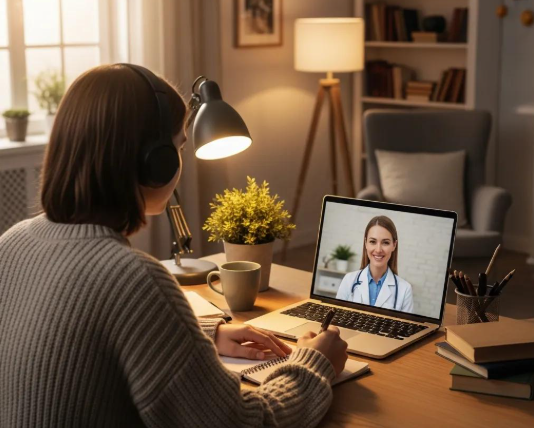
Tele-audiology is transforming the landscape of hearing care by providing innovative solutions that enhance accessibility and convenience for patients. This article delves into the rise of tele-audiology services, exploring how they improve hearing care through virtual consultations, online hearing tests, and remote support. Readers will learn about the mechanisms behind these services, their benefits, and who stands to gain the most from them. As many individuals face challenges in accessing traditional audiology services, tele-audiology presents a promising solution that addresses these barriers. We will cover the definition of tele-audiology, the workings of online hearing tests, the advantages of remote hearing aid adjustments, and the demographics that benefit most from these services.
The global challenge of limited access to hearing healthcare underscores the critical need for scalable, innovative solutions like those offered by tele-audiology.
What Are Tele-Audiology Services and How Do They Improve Hearing Care?
Tele-audiology services refer to the delivery of audiology care through digital platforms, allowing patients to receive assessments and support remotely. This innovative approach leverages technology to enhance the accessibility of hearing care, making it easier for individuals to connect with audiologists without the need for in-person visits. By utilizing video conferencing tools and online platforms, tele-audiology improves patient engagement and satisfaction, ultimately leading to better hearing outcomes.
Defining Tele-Audiology and Its Role in Remote Hearing Care
Tele-audiology encompasses various services, including virtual consultations, remote hearing assessments, and online hearing tests. This approach is particularly beneficial for individuals living in rural areas or those with mobility challenges, as it eliminates the need for travel. The integration of telehealth into audiology allows for timely interventions and personalized care, ensuring that patients receive the support they need when they need it.
This expansion of tele-audiology into diverse virtual care modalities is crucial for addressing provider resource distribution and ensuring timely access to care, as highlighted by initiatives like those within the Department of Veterans Affairs.
How Virtual Audiology Appointments Enhance Accessibility and Convenience
Virtual audiology appointments significantly enhance accessibility by allowing patients to schedule consultations from the comfort of their homes. This convenience is especially important for those with transportation difficulties or health concerns. Studies indicate that patients who utilize tele-audiology services report high satisfaction rates due to the ease of access and reduced waiting times for appointments. This shift towards virtual care not only streamlines the process but also fosters a more patient-centered approach to hearing healthcare.
How Do Online Hearing Tests and Virtual Consultations Work?
Online hearing tests and virtual consultations are designed to provide comprehensive hearing assessments without the need for physical visits. These services utilize advanced technology to support accurate results and effective communication between patients and audiologists.
Step-by-Step Guide to Taking an Online Hearing Test
- Preparation: Ensure a quiet environment and use headphones for accurate sound delivery.
- Access the Test: Log into the tele-audiology platform and follow the prompts to begin the test.
- Complete the Assessment: Follow the instructions to respond to various sound frequencies and volumes.
- Receive Results: After completing the test, results are typically available immediately or within a short time frame, allowing for prompt follow-up.
What to Expect During a Virtual Audiology Consultation
During a virtual audiology consultation, patients can expect a thorough discussion of their hearing health. The audiologist will review the results of any online tests and discuss potential treatment options. Common questions include the format of the consultation, the audiologist's role in guiding the patient, and what the patient should prepare in advance. This interactive format ensures that patients feel supported and informed throughout the process.
What Are the Benefits of Remote Hearing Aid Adjustments and Support?
Remote hearing aid adjustments and support offer numerous advantages, making it easier for patients to maintain optimal hearing aid performance without the need for in-person visits. This service is particularly beneficial for individuals who may have difficulty traveling to an audiology clinic.
How Remote Programming Improves Hearing Aid Performance
Remote programming allows audiologists to make adjustments to hearing aids in real-time or near real-time, ensuring that patients receive personalized settings tailored to their specific needs. This process can enhance the overall performance of hearing aids, leading to improved sound quality and user satisfaction. Patients often report that remote adjustments are comparable in effectiveness to in-person visits, making this a valuable option for ongoing care.
Research further supports the efficacy and perceived benefits of remote hearing aid support, demonstrating its potential to revolutionize follow-up care.
Remote Hearing Aid Support & Telehealth Benefits
1. Background:In an effort to reduce health-care disparities, there has been a recent surge of interest in the remote provision of care. Audiologists have begun to provide screening, diagnostic, and rehabilitative services via telehealth technologies.
2. Purpose:To evaluate the feasibility and perceived benefits of providing remote hearing aid follow-up appointments in a controlled clinical environment and in participants’ homes.
Troubleshooting and Firmware Updates Through Tele-Audiology
Tele-audiology also facilitates troubleshooting and firmware updates for hearing aids. Common issues, such as connectivity problems or sound quality concerns, can often be resolved through remote support. Audiologists can guide patients through troubleshooting steps or perform necessary updates to ensure that devices function optimally. This proactive approach minimizes downtime and enhances the overall user experience.
- Remote Programming: Audiologists make hearing aid adjustments via telehealth, delivering personalized settings and better performance.
- Troubleshooting: Remote support addresses common hearing aid issues, allowing for faster fixes and fewer office visits.
- Firmware Updates: Devices receive remote updates to improve functionality, maintain optimal performance, and reduce downtime.
This illustrates the various services offered through tele-audiology, highlighting their benefits for patients seeking convenient and effective hearing care solutions.
Who Can Benefit Most from Tele-Audiology Services?
Tele-audiology services are designed to cater to a wide range of patients, particularly those who face barriers to accessing traditional audiology care. Understanding the demographics that benefit most from these services is crucial for optimizing their implementation.
Tele-Audiology for Rural and Mobility-Challenged Patients
Patients living in rural areas often encounter significant challenges in accessing audiology services due to distance and limited local resources. Tele-audiology addresses these challenges by providing remote access to qualified audiologists, ensuring that individuals can receive timely care without the burden of travel. Additionally, mobility-challenged patients benefit greatly from the convenience of virtual appointments, which eliminate the need for transportation.
Supporting Tinnitus Management and Aural Rehabilitation Online
Tele-audiology also plays a vital role in supporting tinnitus management and aural rehabilitation. Patients experiencing tinnitus can access specialized programs and resources online, allowing for effective management strategies without the need for frequent clinic visits. This approach not only enhances patient engagement but also fosters a supportive community for individuals dealing with similar challenges.
In conclusion, tele-audiology services are revolutionizing the way hearing care is delivered, making it more accessible and convenient for patients. As technology continues to advance, the potential for tele-audiology to improve hearing health outcomes will only grow, providing essential support to those in need.