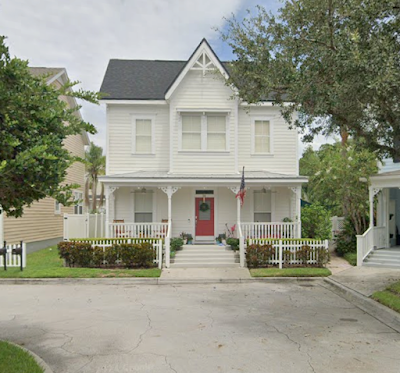
Florida’s renovation market opened 2026 with steady momentum tied to weather patterns, housing inventory pressure, and changing material logistics. This release reflects field observations and aggregated project data shared by experienced technicians and planners from Guy A Remodeling, combined with regional construction benchmarks.
The focus on home remodeling Florida continues to appear in permit filings, contractor schedules, and supplier reports as February activity moved faster than typical winter cycles. State housing data shows Florida added more than 365,000 new residents in 2025, pushing renovation demand over new construction in many coastal and suburban areas.
February brought tighter scheduling windows, earlier material ordering, and heavier emphasis on moisture control and thermal upgrades. The information below reflects practical site conditions, contractor coordination patterns, and real construction workflow details that affect both residential and commercial renovation planning across the state.
Outline
Home Remodeling Florida Market Shifts in February 2026
Seasonal Weather Patterns Impact Residential Renovation Scheduling
Material Supply Changes Affect Project Timelines And Budgets
Residential Properties Drive Increased Remodeling Service Requests
Commercial Renovation Demand Grows Across Business Properties
Energy Efficiency Upgrades Gain Popularity During Winter Months
Contractors Recommend Preventive Maintenance Before Spring Season
Summary: Preparing Properties For Upcoming Remodeling Demand

Home Remodeling Florida Market Shifts In February 2026
February activity showed a clear shift toward structural upgrades and layout reconfiguration instead of surface-only improvements. Field planners reported that older housing stock built between 1980 and 2005 accounted for nearly 48 percent of remodeling permits across central and south Florida counties. These homes often show aging roof decking, outdated insulation values, and moisture exposure in wall cavities. Remodeling schedules adjusted around these realities.
Contract teams adjusted sequencing to reduce downtime. Drywall installation followed immediately after framing inspections. Electrical rough-ins were batched across multiple units in townhouse communities. Flooring installation timelines shortened due to improved prefabrication systems now common in laminate and engineered wood categories.
Project planners observed three recurring technical drivers behind February demand:
Aging building envelopes losing thermal performance
Increased humidity intrusion near slab foundations
Higher insurance compliance requirements tied to wind mitigation
Inspection records from county building departments showed permit submissions increased by roughly 14 percent compared with February 2025 in high-growth corridors such as Tampa Bay, Orlando metro, and Broward County. This growth pushed remodelers to pre-book subcontractors earlier than usual.
Renovation scopes also expanded beyond kitchens and bathrooms. Structural beam reinforcement, stairwell reconfiguration, and open-floor conversions became more common as homeowners adapted interior layouts for remote work and multigenerational living.
Typical February project sequencing followed this pattern:
Structural assessment and framing verification
Electrical and plumbing coordination
Insulation upgrades and vapor barrier installation
Interior finish scheduling
This workflow reduced inspection delays and allowed smoother turnover between trades. Moisture-resistant materials gained more use as winter humidity levels stayed above long-term averages, according to NOAA seasonal climate summaries. That influenced material selection for drywall cores, subfloor coatings, and interior wall assemblies.
Builders also shifted jobsite logistics. Covered material storage zones became standard to prevent humidity damage. Dehumidifiers ran continuously in enclosed spaces to protect adhesives and finishes. These small site adjustments saved labor hours and reduced callback risks tied to material warping or curing inconsistencies.
Seasonal Weather Patterns Impact Residential Renovation Scheduling
Florida’s February weather rarely behaves in a straight line. Warm daytime temperatures combined with overnight humidity swings affected how contractors planned daily production. Average daytime highs ranged from 68°F to 78°F across most regions, while dew points stayed elevated in coastal zones. These conditions changed curing times for adhesives, joint compounds, and protective coatings.
Field supervisors adjusted work blocks instead of running long continuous shifts. Shorter task cycles allowed better material performance and reduced rework.
Key weather-related scheduling adjustments included:
Early-morning framing and exterior envelope tasks
Midday interior finishing work
Late-afternoon moisture control and ventilation cycles
Wind activity also influenced exterior remodeling phases. Gusts above 20 mph delayed siding installations and roof deck sealing in coastal counties. Contractors coordinated with local weather services and municipal inspection departments to avoid inspection backlogs caused by rain windows.
Residential renovation crews tracked several climate-driven impacts during February:
Increased substrate moisture levels
Slower drying times for cement-based products
Higher HVAC load during temporary system shutdowns
County permitting offices reported inspection rescheduling rates rose by about 11 percent during the month due to weather interruptions. That forced remodelers to stagger trades more carefully and reserve buffer days within project calendars.
Interior remodeling schedules also reflected climate behavior. Paint application shifted toward low-VOC, fast-curing formulas to handle humidity spikes. Flooring installers relied more on acclimation rooms where materials sat for 48 hours before installation. This reduced expansion issues and surface distortion.
Contract planners used rolling three-day forecasts instead of weekly projections. That allowed faster response to storm fronts and humidity spikes. Site managers also adjusted debris removal schedules to avoid wet hauling conditions that slow disposal operations.
These climate-driven adjustments shaped February production flow. Weather behavior continued influencing how material orders aligned with delivery slots, naturally guiding the next phase of project planning toward supply chain timing.
Material Supply Changes Affect Project Timelines And Budgets
Material logistics shaped renovation pacing across Florida in early 2026. Regional distributors reported tighter availability for pressure-treated lumber, moisture-resistant drywall, and composite decking boards due to high winter demand across the Southeast. Shipping delays averaged 3 to 6 business days longer than early 2025 benchmarks.
Remodelers adapted by diversifying supplier networks and pre-ordering high-rotation items. Bulk ordering helped stabilize project flow and reduce on-site waiting periods.
The most impacted material categories included:
Engineered wood framing components
Cement backer boards
Exterior cladding panels
Electrical conduit systems
Supplier data from industry trade associations such as NAHB and regional building supply groups showed average delivery volumes increased by 9 percent compared with last winter. This growth stressed warehouse inventories and truck availability.
To manage project sequencing, contractors prioritized early-stage materials first. Structural components and subfloor assemblies arrived before finish products. This reduced storage congestion on residential job sites and lowered exposure to humidity damage.
A snapshot of commonly adjusted delivery timelines is shown below:
Material Category | Typical Lead Time 2025 | February 2026 Average |
Framing Lumber | 5–7 days | 8–10 days |
Drywall Panels | 3–5 days | 6–8 days |
Insulation Batts | 4–6 days | 7–9 days |
Exterior Siding Systems | 7–10 days | 10–14 days |
Project coordinators adjusted labor schedules around these shifts. Installation teams rotated between sites instead of waiting on delayed shipments. This helped maintain workforce utilization while protecting build quality.
Material substitution strategies also expanded. Remodelers approved alternative panel thicknesses, moisture-rated composites, and reinforced fastener systems when primary SKUs were in short supply. These substitutions complied with building code requirements and manufacturer specifications to maintain structural performance.
Residential Properties Drive Increased Remodeling Service Requests
Residential home renovation activity continued to climb through February as housing turnover slowed and owners focused on upgrading existing spaces rather than relocating. Property analytics groups tracking Florida housing inventory reported resale listings dropped nearly 8 percent compared with the same month last year.
Single-family homes accounted for the largest share of renovation permits, followed by duplex properties and townhomes. Many of these structures showed consistent technical patterns. Aging plumbing risers required replacement. Electrical panels built before 2000 needed load upgrades to support modern appliance demand.
Residential remodeling teams prioritized projects tied to safety, airflow control, and moisture management. February work logs highlighted several high-frequency upgrade categories:
Bathroom ventilation improvements to reduce interior humidity
Kitchen electrical load redistribution for newer appliances
Structural reinforcement in open-plan conversions
Subfloor leveling to support floating flooring systems
Labor scheduling shifted toward clustered neighborhood projects. Crews handled multiple homes within the same development to reduce transit downtime and material hauling costs. This approach increased daily productivity and reduced jobsite congestion.
Homeowners also showed higher interest in layout flexibility. Interior wall removals created combined living and dining zones. Storage redesigns replaced unused formal spaces. These changes required careful load-bearing assessments and coordination between framing and electrical teams.
Remodelers observed another shift tied to aging roofing systems. While full roof replacements remained separate projects, interior renovations often uncovered water intrusion damage beneath attic insulation layers. Addressing these hidden issues during remodel phases helped prevent repeat moisture problems.
Residential demand patterns continued shaping workforce planning. Contractors adjusted staffing ratios to maintain consistent inspection scheduling and trade coordination. That operational balance helped projects move forward despite supply chain variability and seasonal humidity fluctuations.
Commercial Renovation Demand Grows Across Business Properties
Commercial property owners also expanded renovation activity during February. Retail centers, office buildings, and mixed-use developments are scheduled for interior upgrades to improve tenant occupancy rates. Market reports from Florida commercial real estate associations showed that leasing activity increased by nearly 6 percent during the first-quarter planning cycle, encouraging landlords to refresh interior layouts.
Office renovations focused on flexible workspace design. Partition systems replaced fixed cubicles. Electrical floor boxes supported modular desk layouts. HVAC zoning upgrades improved airflow control across multi-tenant floors.
Retail spaces emphasized durability. Flooring systems shifted toward commercial-grade vinyl composites and sealed concrete finishes. Lighting retrofits replaced outdated fluorescent fixtures with energy-efficient LED arrays.
Commercial renovation priorities often followed this sequence:
Structural and code compliance verification
Electrical and data infrastructure upgrades
Interior surface modernization
Accessibility adjustments
Hospitality properties also contributed to February demand. Boutique hotels and short-term rental operators upgraded bathrooms, lobbies, and guest room insulation. These improvements aligned with changing guest expectations and local short-term rental regulations.
Project managers coordinated night and weekend work schedules to minimize tenant disruption. Noise management protocols, dust containment barriers, and staged demolition plans became standard across occupied properties.
Commercial remodeling timelines required stricter coordination with permits. Inspections followed tighter windows due to business occupancy requirements. That pushed contractors to maintain stronger communication with municipal building departments and fire safety inspectors.
As commercial upgrades continued expanding, attention shifted toward energy performance and building efficiency targets, influencing material choices and mechanical system planning.
Energy Efficiency Upgrades Gain Popularity During Winter Months
Energy-focused renovations gained momentum throughout February as building owners looked to stabilize utility consumption before summer cooling demand arrived. Florida energy usage data shows residential electricity consumption rises sharply between May and September. Winter upgrade windows allowed property owners to prepare ahead of peak demand.
Insulation retrofits became a priority. Contractors replaced outdated fiberglass batts with higher-density materials in attics and exterior walls. Air sealing techniques improved envelope tightness and reduced uncontrolled airflow.
Common efficiency upgrades included:
Attic insulation reinforcement
High-efficiency window installation
Smart thermostat integration
HVAC duct sealing
Lighting retrofits also expanded. LED systems reduced energy draw and improved interior brightness. Commercial properties adopted motion-sensor lighting to manage power usage in low-traffic zones.
Mechanical system upgrades focused on zoning and airflow balance. Technicians recalibrated dampers and airflow pathways to improve temperature distribution across multi-room layouts.
Water efficiency upgrades gained traction as well. Low-flow fixtures and pressure-regulated plumbing valves reduced consumption without sacrificing performance. These upgrades aligned with municipal water conservation programs across several Florida counties.
Energy efficiency planning extended beyond equipment selection. Remodelers adjusted wall assemblies and vapor barrier placement to control condensation risks. That protected structural components and improved long-term building durability.
These winter-driven upgrades positioned properties for stable operation during warmer months, naturally leading to preventative maintenance strategies ahead of spring remodeling cycles.
Contractors Recommend Preventive Maintenance Before Spring Season
Preventive maintenance became a major focus as February projects wrapped up. Remodeling teams emphasized early inspections and system checks to avoid performance issues during peak construction season.
Structural assessments identified framing stress points and minor settlement shifts common in older slab foundations. Addressing these areas early reduced the risk of surface cracking and finish damage later in the year.
Mechanical inspections covered electrical load balancing, breaker panel capacity, and ventilation system airflow. Plumbing evaluations focused on pressure stability and corrosion buildup in older supply lines.
Common pre-spring maintenance actions included:
Load-bearing wall verification
Moisture barrier inspection
Electrical grounding checks
Ventilation system calibration
Exterior envelope inspections also gained attention. Sealant joints around windows and doors were upgraded to prevent water intrusion during heavy spring rain.
Project supervisors encouraged property owners to complete inspections before booking major renovation phases. Early assessments reduced schedule disruptions and allowed material orders to align with realistic project scopes.
Preventive planning improved coordination between trades and shortened overall project timelines. That operational approach continued influencing how Florida’s remodeling sector prepared for the next seasonal surge.

Preparing Properties For Upcoming Remodeling Demand
February’s renovation trends underscored the growing demand for timely upgrades driven by shifting weather conditions, structural wear, and seasonal planning across Florida homes and businesses. Crews on the ground noted clear patterns: insulation upgrades to manage cooling loads, airflow adjustments in aging buildings, and scheduling pressures from delayed material shipments.
These realities shaped how residential and commercial properties were prepared for the upcoming spring construction wave—prioritizing preventive checks, moisture control, and load-bearing assessments ahead of larger renovation scopes. For tailored insight based on real project conditions and trade coordination across Florida’s key service areas, reach out to Guy A Remodeling for expert consultation and planning support.