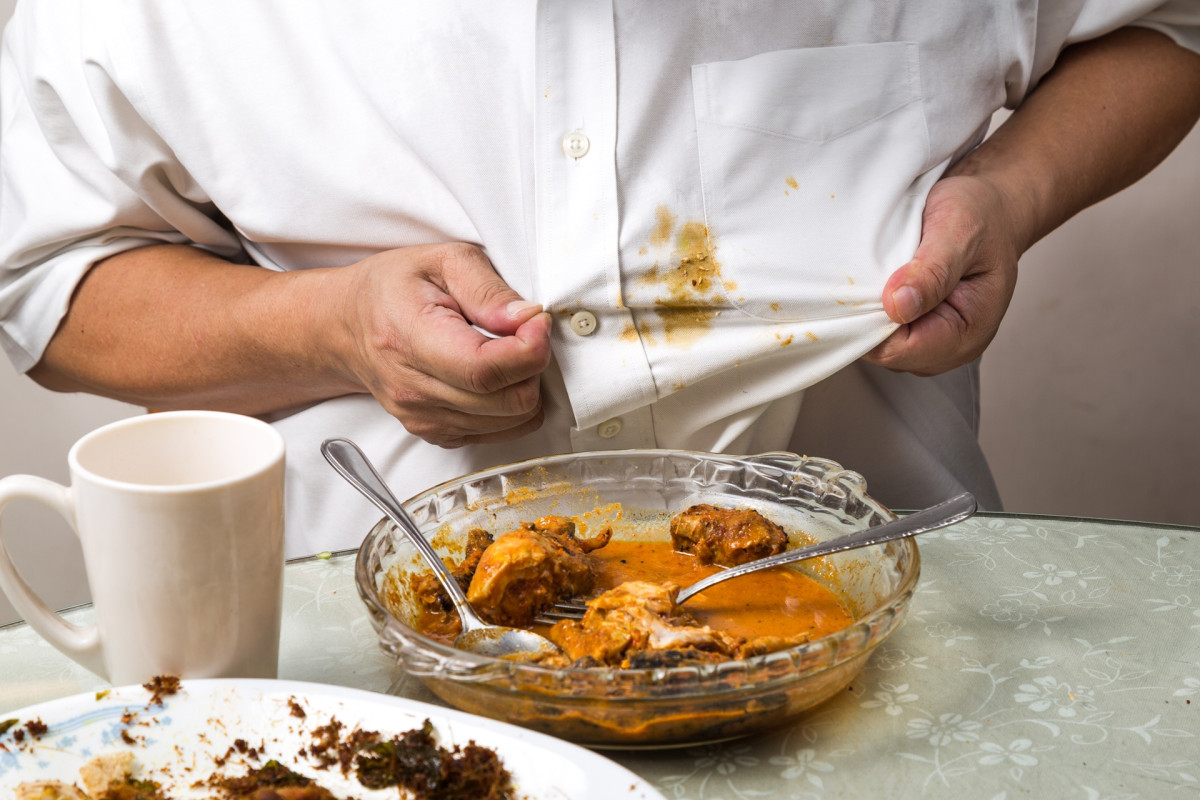
University Cleaners Warns Waiting Makes Holiday Stains Permanent
Professional Guidance Explains How Delayed Cleaning Reduces Stain Removal Success
University Cleaners has released new guidance explaining why waiting to address holiday stains can permanently damage garments. According to the company, stains rarely remain static after a spill occurs. As clothing is reworn, stored in warm rooms, or left untreated in hampers, chemical reactions continue beneath the fabric’s surface, often without visible warning signs.
Pigments darken, oils migrate, and residues settle deeper into fibers over time. Once these interactions begin, stain removal becomes less predictable. The release outlines which holiday stains worsen most with time, how professional dry cleaning fits into proper treatment, and when waiting significantly narrows available options.
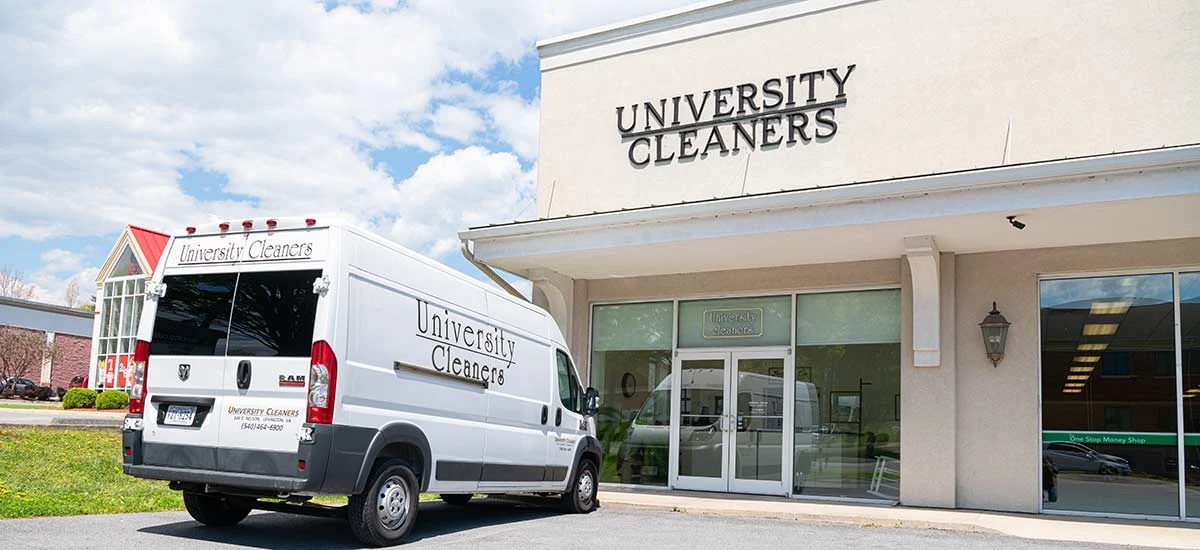
Red Wine and Dark Holiday Drinks Pose Early Risks
Red wine, mulled wine, and dark holiday cocktails are among the most common seasonal stains and also among the most deceptive. University Cleaners explains that what begins as a bright red or purple spill does not remain unchanged.
As stains sit, oxygen in the air reacts with wine pigments, altering their chemistry and increasing their bond to fabric fibers. Within hours or overnight, many wine stains darken to brown or rust-like tones, signaling that the stain has begun to set.
How Oxidation Changes Wine Stains
Once wine is exposed to air, its color compounds begin to shift, affecting how the stain behaves in fabric. University Cleaners notes that red pigments oxidize and darken over time, color molecules form stronger bonds with fibers, and stains become less responsive to cleaning agents.
Why Overnight Wine Stains Are Harder to Remove
Time allows wine to settle deeper into fabric layers. As moisture evaporates, residue becomes more concentrated. Fibers swell and trap pigment as they dry, while indoor heat accelerates the setting process.
What This Means for Holiday Garments
Holiday garments are often worn again before cleaning, which works against stain removal. Dresses, table linens, and decorative fabrics show color changes quickly, and delayed treatment limits achievable results.
Grease and Butter From Holiday Foods Spread Over Time
Rich holiday meals bring grease and butter stains that frequently appear harmless at first. University Cleaners explains that these stains often look faint or invisible when fresh, leading many people to ignore them.
Over time, oils migrate deeper into fabric and spread beyond the original spot. Once heat is introduced through dryers, radiators, or body warmth, removal becomes significantly more difficult.
How Oils Move Through Fabric
Unlike water-based stains, oils do not remain localized. They seep along fiber channels, grow larger without obvious visual change, and absorb unevenly into fabric structures.
Why Heat Makes Grease Permanent
Heat alters both oils and fibers, locking stains in place. Oils oxidize and thicken, fibers open and trap grease, and once heated, stains resist most cleaning treatments.
Common Holiday Sources of Grease
University Cleaners identifies buttered rolls and pastries, roasted meats and gravies, and finger foods handled during gatherings as frequent but overlooked sources of grease stains.
Sugary Desserts and Syrupy Spills Cause Hidden Damage
Desserts may appear harmless, but sugar-based stains can quietly damage fabric over time. Syrups, sauces, and sweet drinks leave behind sticky residues that change as they dry.
As moisture evaporates, sugar crystallizes and hardens, altering both the color and texture of fabric. University Cleaners notes that aging sugar stains often cause stiffness and discoloration, complicating cleaning efforts.
What Happens as Sugar Dries
Drying triggers physical changes that affect fabric performance. Sugar hardens and bonds to fibers, residue attracts dirt and dust, and fabric loses flexibility in affected areas.
Why Texture Damage Matters
Even when color fades, texture changes can remain. Stiff patches form in soft fabrics, fibers weaken where sugar crystallizes, and garments may drape unevenly.
Common Holiday Sugar Sources
Dessert sauces, hot chocolate, flavored coffees, candy, frosting, and syrups are among the most common seasonal sources of sugar-based stains.
Makeup and Body Oils Build Up on Formalwear
Formalwear often develops stains that are not immediately visible. University Cleaners reports that makeup, lotions, and body oils transfer gradually during wear, especially in high-contact areas.
Over time, these oils oxidize and attract airborne dirt, darkening fabric and creating dull or greasy patches. Collars, necklines, and underarms are especially vulnerable because these stains accumulate rather than appearing suddenly.
How Oils Oxidize on Fabric
Exposure to air triggers chemical changes in oils that affect appearance and removability. Oils darken as they oxidize, sticky residue traps soil, and fabric loses its original finish.
Why High-Contact Areas Are Most Affected
Movement and warmth accelerate stain development. Collars absorb skin oils quickly, underarms combine sweat and deodorant residue, and necklines show repeated makeup transfer.
The Risk of Delayed Cleaning
Waiting allows oils to penetrate deeper layers of fabric. According to University Cleaners, stains spread beyond visible edges, odors become harder to eliminate, and permanent discoloration may remain.
Salt, Slush, and Mud Leave Lasting Winter Damage
Winter weather introduces stains that behave differently from food and drink spills. Salt, slush, and mud leave behind minerals that remain after fabric dries.
University Cleaners explains that salt crystallizes within fibers, weakening them and causing recurring white rings. Even when stains appear to fade, residue often resurfaces after drying, particularly on hems, cuffs, and outerwear.
How Salt Residue Damages Fabric
Salt alters fiber structure rather than simply staining. Minerals crystallize as moisture evaporates, fibers become brittle over time, and repeated exposure accelerates fabric wear.
Why White Rings Reappear
Temporary moisture can dissolve salt, giving the appearance of removal. As fabric dries, crystals reform, causing rings to return without proper treatment.
High-Risk Winter Garments
Coats, jackets, pant hems, skirts, shoes, and accessories face repeated exposure throughout the season and are especially vulnerable to salt damage.
Prompt Professional Cleaning Preserves Results
University Cleaners emphasizes that timing plays a critical role in stain removal, especially during the holidays when garments are worn repeatedly and cleaning is often delayed.
Early professional treatment interrupts oxidation, migration, and crystallization before stains become permanent. Waiting until after the holidays often means stains have already bonded to fibers, limiting what even expert care can achieve.
What Early Treatment Prevents
Quick professional action helps stop oxidation before color changes set in, prevents fiber damage from hardened residues, and avoids permanent bonding between stains and fabric.
Why Holiday Delays Increase Risk
According to University Cleaners, stains do not pause during the season. Garments are worn multiple times, heat exposure increases daily, and residue continues reacting unseen.
When Garments Should Be Taken In
The company advises bringing items in for care as soon as stains occur, before storing garments, and prior to rewearing affected clothing.

University Cleaners Encourages Proactive Holiday Care
Before color shifts, oils spread, or residue hardens, University Cleaners urges consumers to seek professional care to protect garments long after the holidays.
With experience spanning generations and award-winning professionalism, University Cleaners focuses on preserving garment life, not just addressing visible damage. The company blends trusted expertise with modern convenience to make professional care accessible and effective.
University Cleaners invites customers to visit one of its convenient locations or make contact by phone or email for prompt guidance and support throughout the cleaning process.
Call: +1 540-698-5523
Email: [email protected]