Holiday Spill Emergencies: Safe Fabric Care Tips When Away From Home
New Guidance Helps Prevent Clothing Damage During Holiday Travel and Events
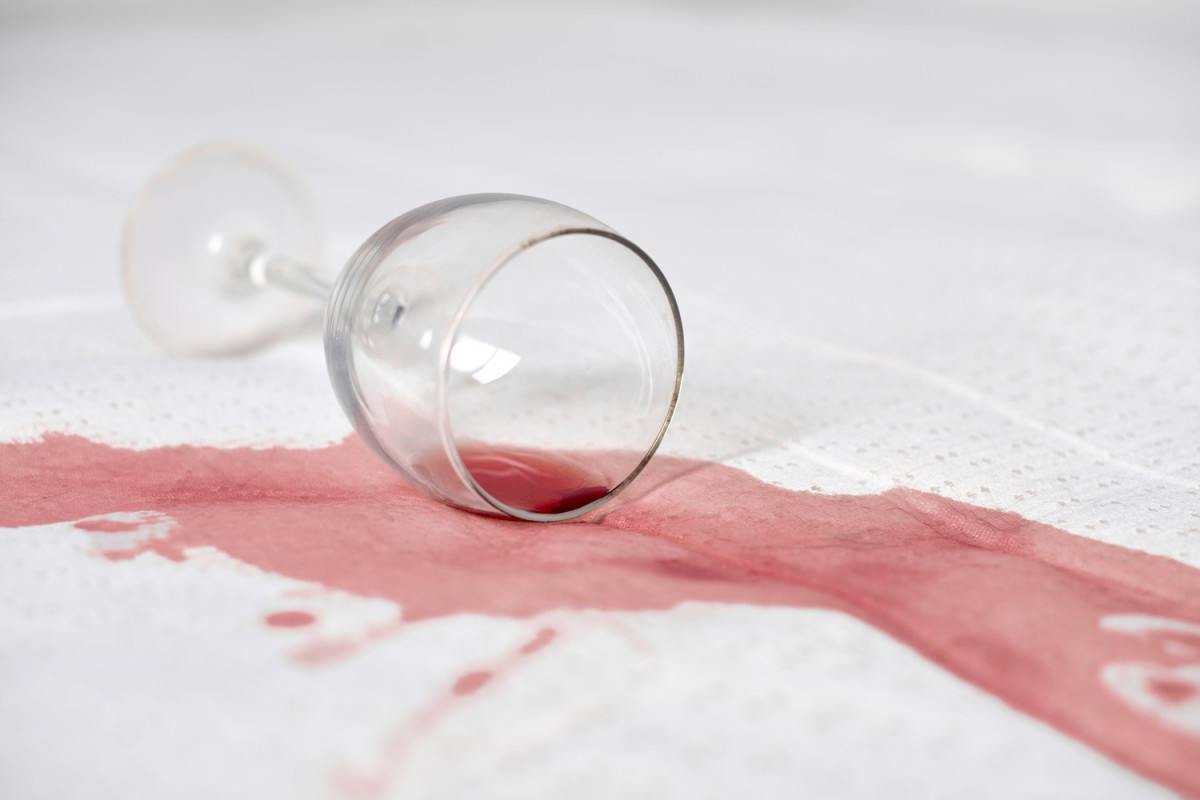
Port Huron, MI — Accidental spills are an unavoidable part of holiday gatherings, travel days, and seasonal celebrations. According to a newly published blog from Troy Cleaners, spills that occur away from home often feel more stressful because people lack proper supplies and time, increasing the risk of fabric damage caused by rushed decisions.
The blog highlights that while it may feel instinctive to try any quick fix available, many common reactions can worsen stains permanently. The guidance outlines safe, practical steps consumers can take immediately after a spill, along with clear warnings about actions that should be avoided until professional cleaning is available.

Why Spills Away From Home Are More Risky
Holiday dinners, parties, and travel schedules rarely allow for careful stain treatment. Without access to trusted cleaning products or controlled conditions, even small spills can escalate into costly garment damage. Troy Cleaners emphasizes that uncertainty often leads people to experiment with rubbing, soaps, or heat, which frequently makes stains more difficult—or impossible—to remove.
The blog explains that early decisions matter. Knowing what to do in the first few minutes after a spill can significantly improve the outcome once the garment reaches a professional cleaner.
Blot First to Stop the Stain From Spreading
Immediate Action Can Limit Damage
According to Troy Cleaners, the first and most important response to any fresh spill is blotting. Liquid continues to spread and soak deeper into fibers until it is absorbed or contained. Acting quickly—even with basic materials like a napkin or paper towel—can prevent the stain from expanding.
The blog notes that blotting, when done correctly, buys time and protects the fabric until proper cleaning is possible.
How to Blot Without Making the Stain Worse
The recommended blotting method includes:
Pressing and lifting rather than scrubbing
Starting at the outer edge and working inward
Rotating to clean sections of the towel as liquid transfers
Applying light pressure to avoid fiber damage
Once blotting controls the spill, Troy Cleaners advises stopping. Attempting to “work out” the stain through friction often creates additional problems.
Avoid Rubbing and Random Cleaning Products
Why Quick Fixes Backfire
The blog explains that rubbing forces stains deeper into fibers and enlarges the affected area. In addition, commonly available products—often used in desperation—can chemically alter fabrics or lock stains in place.
Troy Cleaners warns that these quick fixes frequently reduce the success of professional stain removal later.
Products That Often Cause More Harm
The blog identifies several items that should be avoided:
Hand soap, which can leave residue or react with dyes
Sanitizing wipes, where alcohol can set certain stains
Stain pens that may bleach or discolor fabric
Fragranced sprays that mask odors but leave residue
Leaving a stain largely untreated is often better than applying the wrong product, especially if professional dry cleaning is planned.
Cold Water Should Be Used With Caution
When Water Is Appropriate
While water may seem like a safe option, Troy Cleaners explains that it is only appropriate in specific situations. Cold water should be used only if the fabric is clearly washable, such as cotton or basic polyester.
When cold water is used, the blog recommends:
Dabbing lightly instead of rinsing or soaking
Using minimal moisture
Stopping immediately if dye transfers to the towel
When Water Should Be Avoided Entirely
Water should be avoided for fabrics that are likely dry-clean-only, including:
Silk, wool, rayon, and acetate
Structured garments such as suits or blazers
Items labeled “dry clean only”
Choosing not to use water is not inaction—it is a protective decision that preserves the fabric for professional treatment.
Heat Is One of the Most Common and Costly Mistakes
Why Heat Sets Stains Permanently
The blog emphasizes that heat bonds stains to fabric fibers, making removal far more difficult. Even brief exposure can turn a fresh spill into a permanent mark.
Heat Sources to Avoid After a Spill
Troy Cleaners advises keeping stained garments away from:
Restroom hand dryers
Space heaters or radiators
Hair dryers, even on low settings
Car heater vents
Irons or steam applied over the stain
Allowing the garment to air dry naturally is strongly recommended until professional cleaning is possible.
Professional Cleaning Offers the Best Outcome
Why Timing Matters
Stains evolve over time, particularly those involving wine, grease, or heavily pigmented substances. Oxidation and bonding increase the longer a stain sits. Professional dry cleaners have specialized solvents and spotting techniques designed for these situations, but early intervention still improves results.
The blog notes that untreated stains often respond better to professional care than those altered by home remedies.
What to Tell the Dry Cleaner
When bringing in a stained item, Troy Cleaners recommends sharing:
The source of the stain
When it occurred
Any treatments attempted
Whether the item was exposed to heat
This information allows cleaners to select the safest and most effective removal method.
Dry Cleaning Can Often Remove or Reduce Stains
Addressing a common question, the blog confirms that dry cleaning can remove stains in many cases, particularly when they have not been heat-set or chemically altered. Even when complete removal is not possible, professional treatment often fades stains enough to make them unnoticeable.

Troy Cleaners Encourages Simple Care and Professional Help
Troy Cleaners concludes that careful handling and quick professional attention provide the best chance of saving stained garments. Avoiding panic-driven fixes protects fabrics and preserves cleaning options.
As the premier dry cleaner in Southeastern Michigan, Troy Cleaners serves Port Huron and surrounding communities with expertise in everyday garments, delicate fabrics, wedding dresses, leather, and professional attire. The business offers convenient services including a drive-thru and a 24-hour drop box.
Consumers dealing with holiday spills are encouraged to contact Troy Cleaners for expert care and reliable stain removal.
Contact Information
Troy Cleaners (Main Location)
Phone: (810) 985-7111
Address: 1629 Garfield St., Port Huron, MI 48060
Email: [email protected]