
Real Estate Investment in 2026: Strategic Growth, Market Trends, and Long-Term Value Creation
By Ladan Hosseinzadeh Sadeghi | Sky Property Group
TORONTO, ONTARIO / ACCESS Newswire / February 6, 2026 / As global markets adjust to higher interest rate sensitivity, evolving demographic patterns, and technological disruption, real estate investment in 2026 remains one of the most resilient and strategic avenues for long-term wealth creation. While short-term volatility continues to dominate headlines, disciplined investors are focusing on fundamentals: location quality, income durability, and long-term demand.
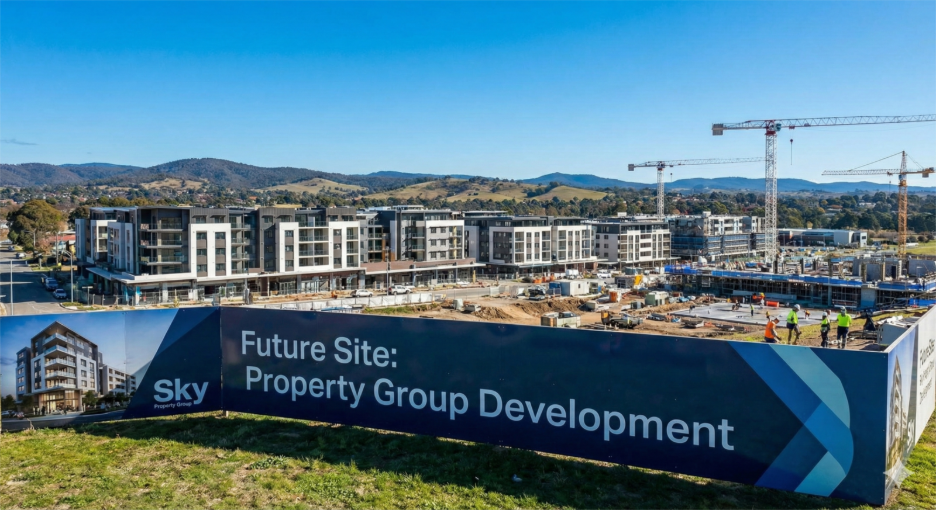
According to Ladan Hosseinzadeh Sadeghi, whose investment work with Sky Property Group emphasizes fundamentals-driven strategy, successful real estate investing in 2026 requires adaptability, data-backed decision-making, and a long-term perspective rooted in real assets.
Why Real Estate Continues to Matter in 2026
Despite tighter financial conditions and macroeconomic uncertainty, real estate continues to attract capital due to its intrinsic value and ability to generate income.
Key reasons real estate remains central to investment portfolios include:
Tangible, income-producing asset class
Long-term hedge against inflation
Opportunity for capital appreciation
Ability to apply leverage strategically
Essential role in housing, logistics, and commerce
At Sky Property Group, real estate is viewed not as a speculative trade, but as a long-duration asset that compounds value through disciplined execution and market knowledge.
Key Market Trends Shaping Real Estate Investment in 2026
1. Urban Decentralization and Secondary Market Growth
Hybrid work models and affordability pressures continue to push demand toward secondary and tertiary markets. Investors are increasingly targeting cities that offer strong infrastructure, employment growth, and lifestyle appeal without the pricing pressure of major metropolitan cores.
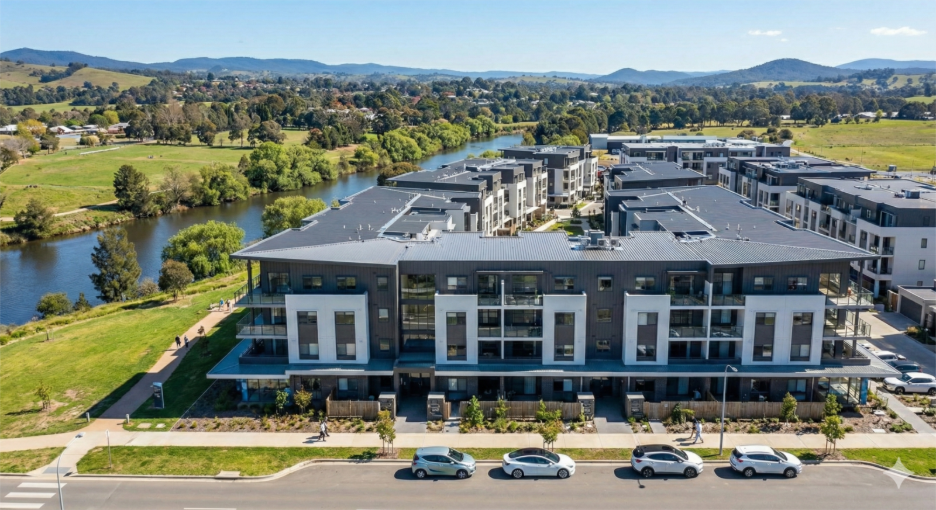
Markets with transit connectivity, zoning flexibility, and population inflows are seeing sustained demand from both renters and owner-occupiers.
Ladan Hosseinzadeh Sadeghi notes that identifying these growth corridors early is critical for achieving outsized returns while managing downside risk.
2. Commercial Real Estate Repositioning
Commercial real estate in 2026 is defined by adaptability. Traditional office demand has softened, but new opportunities are emerging through repositioning and mixed-use strategies.
Key trends include:
Office-to-residential or mixed-use conversions
Flexible workspace models
Logistics and last-mile distribution assets
Specialized real estate such as data centers and life-science facilities
Sky Property Group evaluates commercial assets based on future utility, zoning potential, and tenant diversification rather than legacy use alone.
3. Data-Driven Investment Decisions
Technology now plays a central role in real estate underwriting. Investors are leveraging analytics to evaluate:
Rental demand projections
Population growth trends
Infrastructure investment pipelines
Pricing inefficiencies

AI-powered valuation tools, geospatial data, and predictive modeling help investors identify opportunities before they become widely recognized.
According to Ladan Hosseinzadeh Sadeghi, disciplined data analysis is no longer optional - it is essential for capital preservation in competitive markets.
Real Estate Investment Strategies Gaining Momentum
Residential Rental Assets
Residential real estate remains a cornerstone of many portfolios due to persistent housing shortages and population growth.
Popular strategies include:
Single-family rental homes
Small-to-mid-size multi-family properties
Purpose-built rental developments
Strong locations with access to transit, schools, and employment centers continue to outperform across cycles.
Mixed-Use and Adaptive Developments
Mixed-use developments that combine residential, retail, and commercial elements are increasingly favored due to diversified income streams and community integration.
Sky Property Group prioritizes projects that enhance long-term neighborhood value while providing flexibility across economic environments.
Strategic Land Investment
Land acquisition near infrastructure expansions, transportation corridors, or urban growth boundaries remains a high-upside strategy for patient capital.
Land investments require:
Zoning foresight
Regulatory understanding
Long-term development vision
When executed correctly, land can deliver asymmetric returns with limited carrying risk.
Risk Management in a Changing Environment
Real estate investing in 2026 requires proactive risk management.
Key considerations include:
Interest rate exposure and debt structure
Regulatory and zoning changes
Construction and replacement cost inflation
Liquidity planning
Sky Property Group emphasizes conservative leverage, stress testing, and scenario analysis to ensure assets remain resilient under varying economic conditions.
Sustainability and Long-Term Asset Value
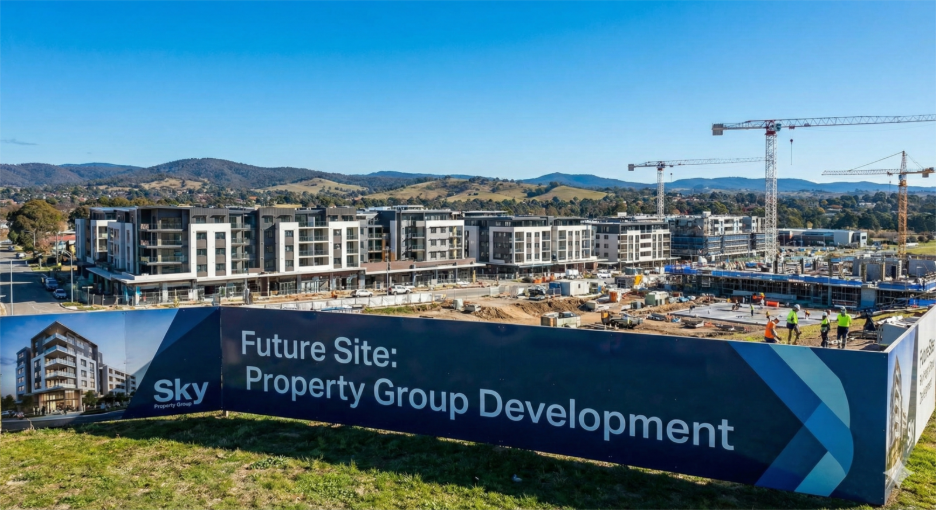
Environmental and social considerations are increasingly tied to real estate valuation.
Assets that incorporate:
Energy efficiency
Sustainable materials
Walkable, community-oriented design
tend to command higher rents, lower vacancy, and stronger long-term demand.
Ladan Hosseinzadeh Sadeghi highlights sustainability not as a trend, but as a value driver that directly impacts asset performance.
The Outlook for Real Estate Beyond 2026
Looking ahead, several structural forces support continued real estate investment:
Ongoing housing supply constraints
Urban population growth
Infrastructure investment
Demand for specialized real estate assets
Investors who focus on quality assets, prudent leverage, and long-term demand drivers are well positioned to navigate future cycles.
Conclusion
Real estate investment in 2026 is not about timing the market - it is about positioning within it. By focusing on fundamentals, data-driven strategy, and long-term value creation, investors can continue to build resilient portfolios despite macroeconomic uncertainty.
According to Ladan Hosseinzadeh Sadeghi, real estate remains one of the most powerful tools for capital preservation and growth when approached with discipline and patience - principles that continue to guide Sky Property Group's investment philosophy.
Contact Information
Ladan Hosseinzadeh Sadeghi
[email protected]
SOURCE: Ladan Hosseinzadeh Sadeghi
Information contained on this page is provided by an independent third-party content provider. XPRMedia and this Site make no warranties or representations in connection therewith. If you are affiliated with this page and would like it removed please contact [email protected]
