
Favorable Results on Liver Device for Long-Term Monitoring of Metabolic Dysfunction-Associated Steatotic Liver Disease Affecting 30% of Adults: ENDRA Life Sciences (Nasdaq: NDRA)
- Pioneer of Thermo Acoustic Enhanced UltraSound (TAEUS®) to Assess Tissue Fat Content and Monitor Tissue Ablation in Minimally Invasive Procedures.
- Measurement of Liver Fat to Assess and Monitor Steatotic Liver Disease and Metabolic Dysfunction-Associated Steatohepatitis, Chronic Liver Conditions.
- TAEUS® Liver Device Demonstrates High-Level Consistency in Clinical Study, Delivering MRI-Level Results at the Point of Patient Care
- Robust Repeatability and Reproducibility for Monitoring Metabolic Dysfunction-Associated Steatotic Liver Disease Affecting 30% of Adults Worldwide.
- Achieved ICC of 0.89 with an SEM of 3.3%, Considered in the "Good to Excellent" Performance Range.
- Performance Also Contrasts Sharply with Traditional Ultrasound Techniques, Which Suffer from High Inter-Observer Variability and Subjective Interpretations.
- TAEUS® Liver Could Deploy in Routine Clinical Practice and be Utilized by Pharmaceutical Companies for Patient Recruitment, Follow-Up in Clinical Trials.
- The Ability to Detect Small, Incremental Changes in Liver Fat Without the Cost Burdon on Repeated MRI Scans is Becoming Increasingly Important.
- NDRA Approach Seamlessly Combines Precision Associated with Expensive Imaging Modalities with the Practical Advantages of Ultrasound-Based Systems.
ENDRA Life Sciences Inc. (Nasdaq: NDRA) is the pioneer of Thermo Acoustic Enhanced UltraSound (TAEUS®), a ground-breaking technology being developed to assess tissue fat content and monitor tissue ablation during minimally invasive procedures, at the point of patient care. The NDRA TAEUS® is focused on the measurement of fat in the liver as a means to assess and monitor steatotic liver disease and metabolic dysfunction-associated steatohepatitis, chronic liver conditions that affect over two billion people globally, and for which there are no practical diagnostic tools.
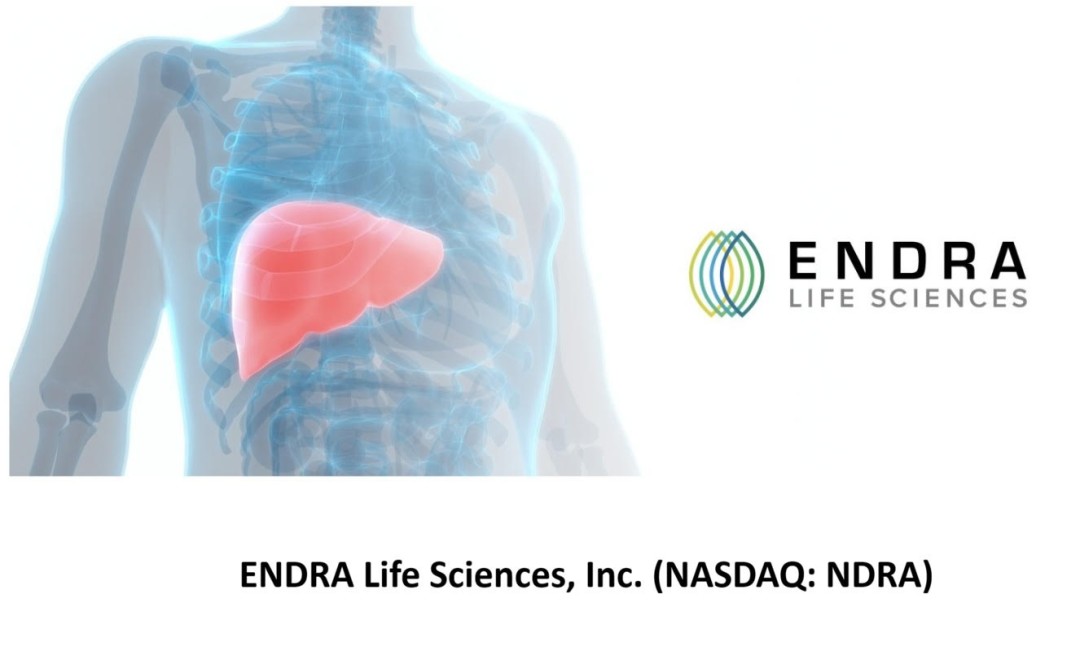
TAEUS® Liver Device Demonstrates High-Level Consistency in Clinical Study, Delivering MRI-Level Results at the Point of Patient Care
On February 26th NDRA announced favorable results from a clinical study evaluating the measurement consistency of its TAEUS® Liver device. The study demonstrated the NDRA device’s robust intra-user repeatability and inter-user reproducibility, essential factors for long-term monitoring of Metabolic Dysfunction-Associated Steatotic Liver Disease (MASLD), which now affects approximately 30% of adults worldwide.
The NDRA study involved 14 subjects with independent operators performing several measurements each to assess the platform's performance in real-world clinical conditions. A total of 56 unique measurements were tabulated to generate comprehensive Gage Repeatability and Reproducibility (R&R) results. This methodology quantifies how much observed measurement variability comes from the measurement system itself rather than true patient-to-patient differences, a critical factor for regulatory validation and clinical decision-making around diagnostic and treatment thresholds.
The NDRA TAEUS Liver achieved an ICC of 0.89 with an SEM of 3.3%, which is considered in the "Good to Excellent" performance range. These results demonstrate the device’s high reliability regardless of the clinician performing the scan and consistent repeatability when a single user performs back-to-back measurements.
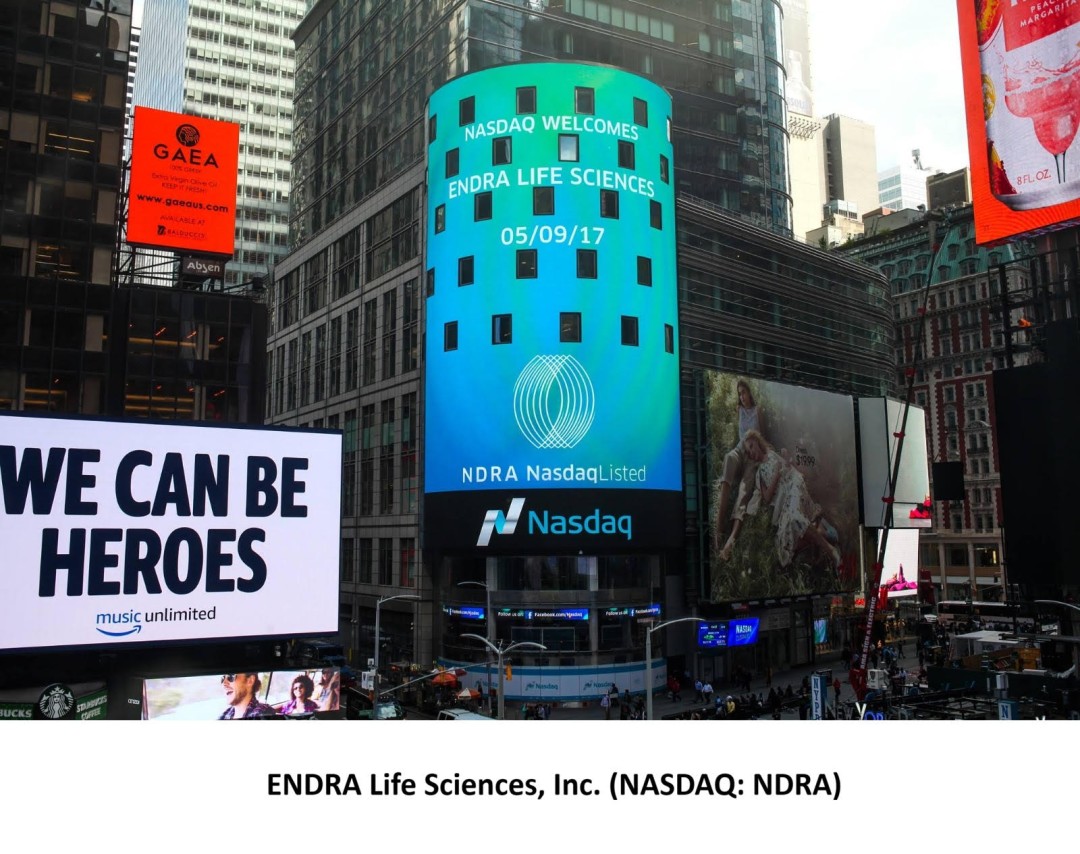
"While MRI-PDFF remains the gold standard for liver fat quantification, its high cost and limited availability create significant barriers for the more than two billion people afflicted by MASLD," stated Alexander Tokman, Chief Executive Officer of NDRA. "These new performance data showing a 3.3% SEM and a 0.89 ICC strongly support our belief that TAEUS can deliver consistent results similar to an MRI, but at the point of patient care and at a much lower cost. This addresses a critical need for clinicians and pharmaceutical companies that require a diagnostic tool to monitor treatment frequently and affordably."
The NDRA TAEUS system's performance also contrasts sharply with traditional ultrasound techniques, which suffer from high inter-observer variability and subjective interpretations. These study results support the NDRA TAEUS’s objective to deliver a standardized, accurate and repeatable liver fat test for the growing population affected by MASLD. NDRA TAEUS could be deployed in routine clinical practice to address large, underserved populations and could potentially be utilized by pharmaceutical companies for patient recruitment and follow-up in clinical trials. As new metabolic therapies enter the market, the ability to detect small, incremental changes in liver fat without the cost burden of repeated MRI scans becomes increasingly important. The NDRA innovative approach with TAEUS seamlessly combines the precision traditionally associated with expensive imaging modalities with the practical deployment advantages of ultrasound-based systems.
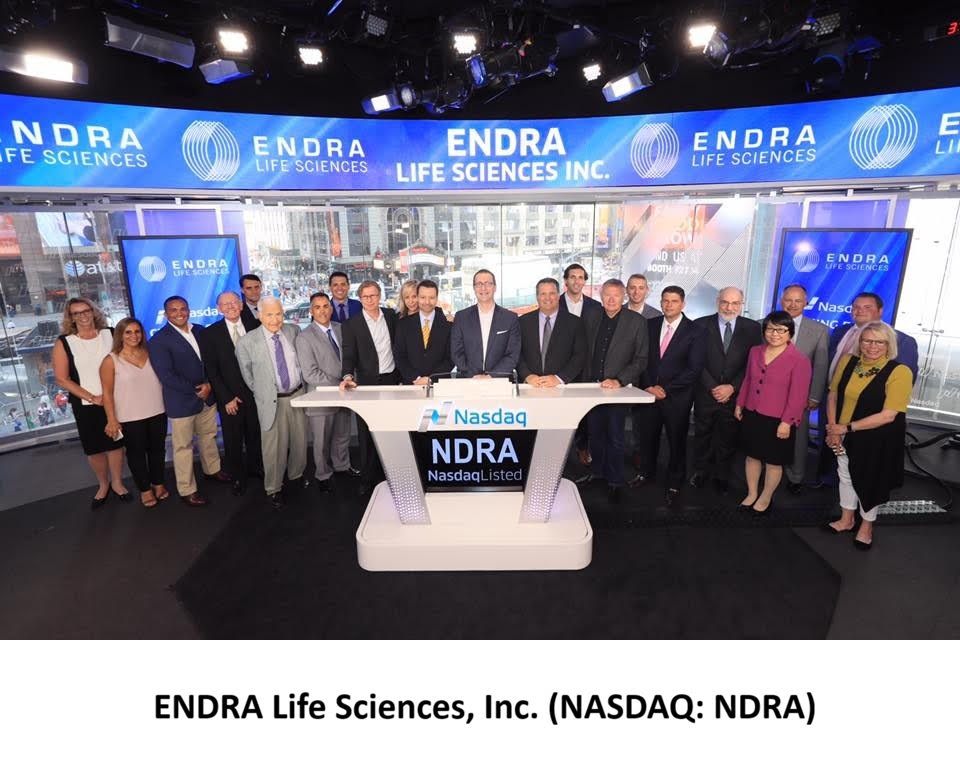
For more information on NDRA visit: www.endrainc.com
DISCLAIMER: https://corporateads.com/disclaimer/
Disclosure listed on the CorporateAds website
Information contained on this page is provided by an independent third-party content provider. XPRMedia and this Site make no warranties or representations in connection therewith. If you are affiliated with this page and would like it removed please contact [email protected]
